
Plants
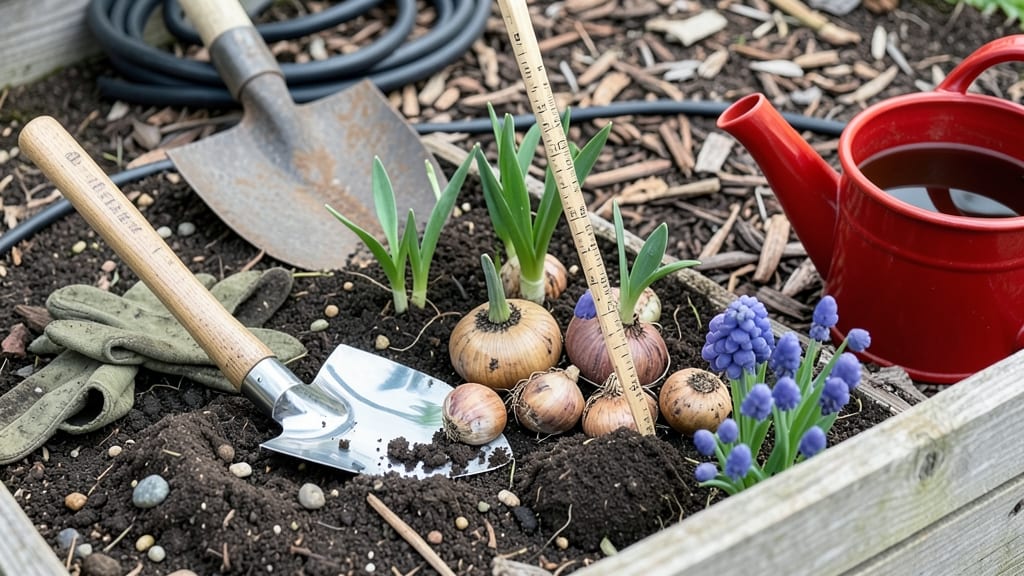
Planting bulbs in Texas at the right time means the difference between a showstopping spring display and a sad, wilted mess 🌷 — and the clock starts ticking in October for most varieties.
Texas gardeners know the struggle—plant bulbs too early, and they rot in the heat; too late, and they miss the blooms. But timing is everything, and getting it right means vibrant spring displays year after year.
Your USDA zone (8a-10b) dictates the exact window: North Texas gardeners have until mid-December, while South Texas must plant by November to avoid summer heat. The key is soil temperature—wait until it cools below 60°F.
Below, I break down the exact months by bulb type, heat-tolerant varieties that thrive here, and how to prep your soil for foolproof blooms next spring.
Texas planting Zones & best months for bulbs by type
Texas spans USDA Zones 7-10, creating unique challenges for bulb planting. The key is understanding that fall-planted bulbs (like daffodils and tulips) need cooler soil temperatures, while spring-planted varieties (like spider lilies) thrive in Texas heat once established.
Each zone has specific windows where bulbs can root before summer's intensity arrives.
For North Texas (Zones 7-8), your last frost typically falls in mid-February, giving you a longer fall planting window. In Central Texas (Zones 8-9), bulbs can often be planted until early December before summer heat becomes overwhelming.
Meanwhile, South Texas (Zone 10) gardeners have the shortest window—plant bulbs by mid-November to avoid heat stress.
Here's the critical rule: Plant bulbs when soil temps are below 60°F. In Texas, this usually means October-November for fall planting and February-March for spring planting. The exact timing varies by bulb type—cool-season varieties need the chill of winter, while heat-tolerant bulbs can handle Texas summers once established.
For Zone 7 gardeners in North Texas, focus on October planting for spring bloomers like tulips and daffodils. The cooler nights help bulbs establish roots before winter.
In Zones 8-9, you can extend planting until early December, but avoid planting after December 15—the soil may not stay cool enough for proper root development.
Texas gardeners in Zone 10 have the most limited window. Prioritize heat-tolerant bulbs like spider lilies and rain lilies, which can handle our intense summers. For traditional spring bulbs, plant by mid-November and provide afternoon shade during peak summer months to prevent bulb rot.
One critical adjustment for Texas: plant bulbs deeper than recommended on packages. Aim for 8-12 inches deep to protect them from heat. This extra depth helps insulate bulbs during our long, hot summers.
For example, tulips typically need 6" of soil, but in Texas, dig 10-12 inches deep for better survival rates.
Don't overlook microclimates within your garden. A shady spot under a tree might stay cool enough for fall-planted bulbs even in Zone 10. Conversely, a south-facing bed might require earlier planting in Zone 7 to avoid summer heat stress.
Always test your soil temperature with a soil thermometer before planting—aim for 50-60°F for optimal bulb establishment.
Pro tip: Soak bulbs for 12 hours before planting in Texas's dry soil. This gives them a head start on hydration, which is crucial in our low-humidity climate.
After planting, apply 2-3 inches of mulch to retain moisture and regulate soil temperature. Use straw or pine needles—they break down slowly and won't compact like wood chips.
Remember, Texas bulbs bloom on a different schedule than northern gardens. Many spring bulbs will push through in late winter (February-March) rather than traditional spring months. Embrace this unique timing—it means you can enjoy early color when other gardens are still dormant! 🌷
How to adjust planting for Texas heat: pro tips for success
Texas summers are brutal for bulbs—if you don’t adjust your planting strategy, your spring blooms will wither before they even emerge. The key is preventing heat stress while still giving bulbs time to establish roots.
I’ve learned the hard way that soaking bulbs before planting and choosing heat-tolerant varieties can make all the difference in our 100°F+ summers.
First, focus on deep-planting bulbs like rain lilies or spider lilies, which thrive in Texas’s heat. These varieties store more moisture in their bulbs, reducing the risk of heat scorch.
I’ve had the best success with daylilies and crocuses, which naturally handle our dry, hot conditions better than traditional tulips or daffodils.
⚠️ callout warning
Texas’s intense sunlight can bake bulbs before they sprout. Even heat-tolerant varieties need partial shade during peak afternoon heat (2 PM–5 PM). If planting in full sun, use shade cloth (30–50%) or mulch heavily to keep soil temps below 85°F.
Pro Tip: Water deeply 3 days before planting to hydrate the soil. This gives bulbs a head start in our drought-prone climate.
Mulching is your best defense against Texas heat. I use a 3-inch layer of straw or wood chips around bulbs to lock in moisture and regulate soil temperature.
For container-grown bulbs, add perlite or vermiculite to the potting mix to improve drainage—this prevents root rot from our sudden summer downpours.
Timing is everything too. In North Texas (Zones 7-8), plant fall-blooming bulbs like crocuses in November–December, while South Texas (Zones 9-10) gardeners should aim for October to avoid early heat. For spring-planted bulbs, wait until February—any earlier, and they’ll bake in the soil.
Don’t forget to soak bulbs for 24 hours before planting. This hydrates them and kickstarts root growth in our dry clay soils. I also add a bulb-specific fertilizer (like 10-10-10) at planting time to give them a nutrient boost.
Avoid overwatering after planting—deep, infrequent watering is better than daily shallow soaks.
Finally, watch for heat stress signs: wilting leaves, yellowing foliage, or bulbs that feel soft or mushy when dug up. If you see these, move bulbs to a shadier spot immediately and increase watering slightly. With these adjustments, your bulbs will survive—and thrive—in Texas heat! 🌱