
Plants
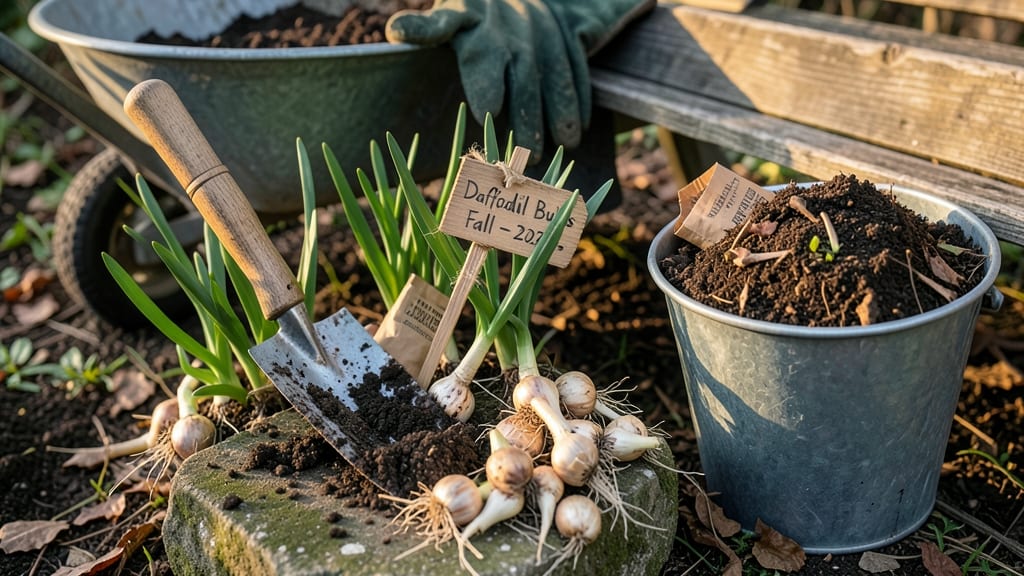
Planting daffodil bulbs in Alabama between October and December ensures they get the 300-600 chill hours they need to bloom spectacularly next spring.
Alabama gardeners know timing is everything—and planting too early or late can mean the difference between a stunning spring display and wasted effort. With Zone 7a’s unpredictable weather, getting the window right is the key to success.
This guide breaks down the exact chill-hour requirements, soil temperature thresholds, and regional adjustments—like handling North Alabama’s cooler pockets versus South Alabama’s lingering warmth.
You’ll learn how to time your planting for maximum blooms, which varieties thrive best in your area, and how to adjust for Alabama’s quirky fall weather patterns.
Alabama’s ideal planting window: chill-hours and soil temperature guide
Alabama’s Zone 7a climate creates a unique challenge for daffodil growers. Unlike cooler northern states, we need just 300-600 chill hours (below 45°F) to trigger spring blooms—any less and flowers may fail to emerge. The key? Planting when soil temps sit between 45-65°F and daytime highs stay above 50°F.
Most Alabama gardeners target a 6-week window from mid-October through November. This gives bulbs time to establish roots before winter dormancy. North Alabama (higher elevations) can plant slightly earlier, while South Alabama should wait until late October to avoid heat stress.
Here’s the critical data you need to time your planting perfectly:
| Region | Chill Hours Needed | Ideal Soil Temp | Planting Window | Key Cue |
|---|---|---|---|---|
| North AL (Zone 7a) | 400-600 hours | 50-65°F | Mid-October - Early Nov | After first frost (avg. Nov 1) |
| Central AL (Zone 7a) | 350-500 hours | 45-60°F | Late Oct - Mid-Nov | When daytime highs drop below 75°F |
| South AL (Zone 8a) | 300-400 hours | 50-65°F | Late Oct - Early Dec | After soil reaches 60°F consistently |
For most Alabama gardeners, the sweet spot is early November when average nighttime temps drop to 45°F but haven’t stayed there long enough to freeze the soil. This timing ensures bulbs get their required chill hours without risking rot from soggy winter soils.
Check your local Alabama Cooperative Extension data for your exact county’s first frost date. Planting 4-6 weeks before this date (typically late October) gives bulbs the best chance to root before winter sets in.
In North Alabama, aim for October 15th; in South Alabama, wait until November 1st.
Use a soil thermometer to verify temps—ideal planting conditions occur when soil is 55-65°F at 6" depth. If temps are too warm (above 70°F), bulbs may sprout prematurely and get damaged by frost. If too cold (below 45°F), roots won’t establish properly.
Pro tip: In drought-prone areas like Wiregrass or the Black Belt, water deeply after planting to encourage root growth. Aim for 1 inch of moisture per week until the ground freezes. Mulch with 2-3 inches of straw after planting to insulate bulbs and retain moisture.
Remember: Daffodils planted in fall (not spring!) need time to develop roots before winter.
Rushing the process by planting too late (December or later) often results in weak growth or no blooms the following spring. Patience pays off—wait for that perfect 6-week window before sticking your bulbs in the ground.
For gardeners in urban heat islands (like Birmingham or Huntsville), plant bulbs in shadier spots or use light-colored mulch to reflect heat. Coastal areas (Mobile, Gulf Shores) should avoid planting before November due to lingering summer heat.
How to adjust planting for Alabama’s microclimates and rainfall patterns
Alabama’s diverse climate—from urban heat islands in Birmingham to coastal humidity in Mobile—means daffodil bulbs need localized adjustments for survival. The 6-week fall planting window (October–November) shifts based on your region’s microclimates, rainfall patterns, and unpredictable weather like typhoon remnants or early freezes.
In North Alabama (higher elevations), soil cools faster, so aim for early October planting to avoid late-season drought. Meanwhile, South Alabama’s warmer winters demand November planting to prevent premature sprouting. Even within cities, paved areas create heat pockets that can stress bulbs, requiring extra mulch or shade cloth.
⚠️ CRITICAL WARNING: Alabama’s Unpredictable Fall Weather ⚠️
For urban gardens, choose dwarf varieties like ‘Tête-à-Tête’ (6–8 inches tall) to thrive in container gardens or raised beds. These handle heat stress better than standard daffodils. In rural areas, loamy soil retains moisture longer, reducing watering needs—just water deeply once after planting to encourage root growth.
Alabama’s fall rainfall patterns also dictate timing. If your area gets heavy rains in October (common in Mobile or Huntsville), wait until mid-November to plant. Conversely, drought-prone zones (like Madison County) should plant in early October to capitalize on autumn moisture before dry spells begin.
Protect bulbs from wild temperature swings by planting in south-facing beds where soil warms gradually. After planting, apply 2–3 inches of mulch (straw or pine needles) to insulate roots during winter freezes or spring thaws.
In coastal areas, add 1 inch of sand to improve drainage—soggy soil leads to bulb rot.
Finally, monitor local forecasts for freeze warnings after planting. If a hard freeze (28°F) hits, cover beds with burlap or frost cloth until soil warms. With these microclimate tweaks, your daffodils will bloom reliably despite Alabama’s unpredictable weather. 🌼