
Plants
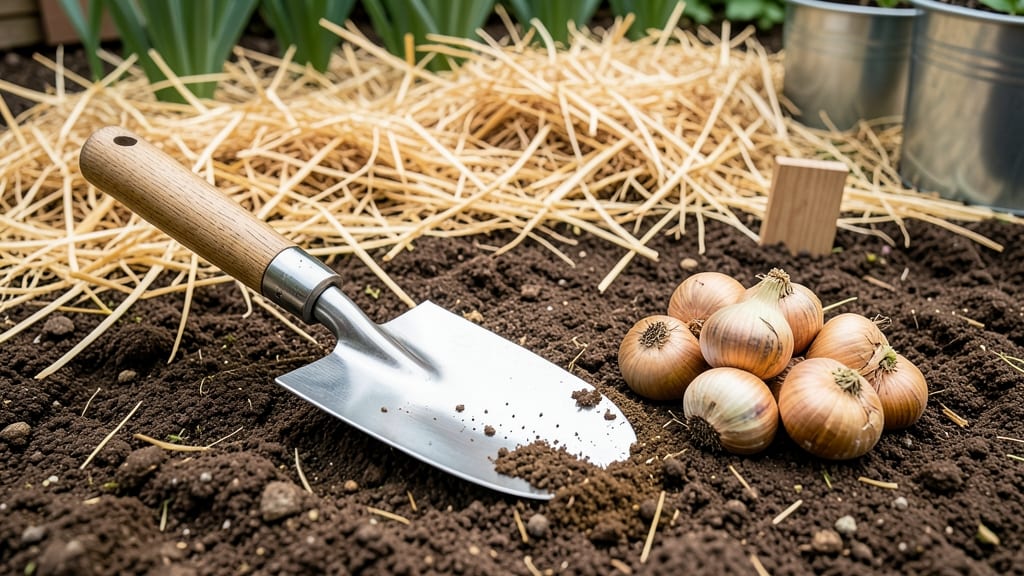
Planting daffodil bulbs in Connecticut between September and November sets the stage for those cheerful 🌼 blooms that greet spring with every color but blue.
Connecticut gardeners know timing is everything—plant too early, and the bulbs rot in damp soil; too late, and they may not root before winter. But with the right frost-date window, you can ensure reliable blooms year after year.
This guide breaks down the ideal planting window for USDA Zone 6a, from soil prep to depth and spacing, so you avoid the common mistakes that leave you staring at bare soil in April.
You’ll learn how to adjust for unpredictable fall weather, when to mulch, and why a 4–6 week lead time before the ground freezes is the key to spring success.
Connecticut’s ideal daffodil planting window by frost-date zones
Timing your daffodil bulb planting in Connecticut hinges on understanding your USDA Zone and local frost dates. Most of the state falls within Zones 5b-6a, where the first hard frost typically arrives between October 15-31.
Planting too early—when soil temperatures exceed 50°F—risks bulb rot, while waiting too long may prevent root establishment before winter. My goal? Help you pinpoint the 4-6 week window before your area’s first frost for perfect spring blooms.
Connecticut’s diverse geography means microclimates play a huge role. Urban areas like Hartford and New Haven often experience earlier frosts than rural spots near Stamford. For reliable results, I recommend checking your local frost date averages (available through the National Weather Service) and adjusting your planting schedule accordingly.
Even a 1-2 week difference can mean the difference between thriving bulbs and missed blooms.
Soil temperature is just as critical as air temperature. Daffodils need 40-50°F soil to root properly—this usually occurs when daytime highs dip into the 50s°F. Use a soil thermometer to confirm readiness, especially in urban gardens where pavement can delay cooling.
In Zone 5b (northern CT), aim for planting between October 15-25, while Zone 6a (southern CT) gardeners have until November 1-15.
| Zone | Avg First Frost | Ideal Planting Window | Soil Temp | Microclimate Adjustments |
|---|---|---|---|---|
| 5b (Northern CT) | Oct 20-31 | Oct 15-25 | 40-50°F | Urban areas: plant by Oct 15 |
| 6a (Southern CT) | Nov 1-15 | Oct 25-Nov 15 | 40-50°F | Coastal areas: extend to Nov 20 |
| All Zones | N/A | 4-6 weeks before frost | 40-50°F | Rural areas: wait 1-2 weeks longer |
For gardeners in Zone 5b, like those in Hartford or Waterbury, I recommend starting bulb orders in late summer (August) to ensure availability. Store them in a cool, dark place (like a garage) until soil temperatures drop.
In Zone 6a areas such as Stamford or New Haven, you’ve got more flexibility—wait until early November if weather stays mild. Always prioritize well-draining soil to prevent rot during Connecticut’s often wet fall.
Microclimates create unique challenges. Urban gardens with concrete and buildings often experience earlier frosts and cooler soils. If you’re in a city like New Haven, err on the side of earlier planting (by October 15).
Conversely, rural areas and coastal zones near Stamford may stay warmer longer—extend your window to mid-November if your soil remains workable. Test your soil with a moisture meter to confirm readiness.
One common mistake I see is planting daffodils too shallowly. Aim for 6-8 inches deep—twice the bulb’s height—for optimal root development. Space bulbs 4-6 inches apart to allow airflow and reduce disease risk.
After planting, apply a 2-3 inch layer of mulch (like straw or shredded leaves) to insulate bulbs from frost heave and retain moisture. This is especially important in Connecticut’s variable fall weather.
If you’re unsure about your exact frost date, use the National Weather Service’s frost prediction maps or local Cooperative Extension Service resources. For example, the UConn Home & Garden Education Center provides updated planting calendars.
Pro tip: Mark your calendar 4-6 weeks before your area’s average first frost—this gives you a clear deadline. In Zone 5b, that’s typically October 15; in Zone 6a, aim for November 1.
Remember that daffodils are hardy perennials—once planted correctly, they’ll return year after year. The key is giving them enough time to establish roots before winter sets in. In my Zone 6a garden, I’ve found that planting by October 30 guarantees reliable blooms by mid-April. Don’t rush—patience now means
Step-by-step daffodil planting timeline for Connecticut’s climate
Timing your daffodil bulbs correctly in Connecticut means the difference between a vibrant spring garden and wasted effort. Since CT’s USDA Zone 5-6 climate delivers early frosts, we’ll map out a month-by-month plan to ensure your bulbs establish roots before winter sets in.
Start by ordering high-quality bulbs in late summer—they’ll need time to cure and prepare for planting.
Your goal is to plant 4-6 weeks before ground freeze, typically between mid-September and mid-November. This window gives roots time to grow while protecting bulbs from frost heave—when freezing/thawing cycles push bulbs too close to the surface.
Let’s break it down step by step to maximize your success.
- 📅 Late July–August: Order daffodil bulbs from reputable suppliers. Choose large, firm bulbs (size 12 or larger) for the best blooms. Store them in a cool, dry place (50–60°F) until planting.
- 🌱 Early September: Prepare your planting site by loosening soil to a depth of 12 inches. Mix in compost or aged manure to improve drainage—daffodils hate soggy soil. Test soil pH (ideal: 6.0–7.0).
- 🌡️ Mid-September: Plant bulbs when soil temps drop to 60°F. Dig holes 6–8 inches deep (twice the bulb’s height) and space them 4–6 inches apart. Place bulbs pointy-side up for proper growth.
- 🍂 Late September–October: Apply a 2–3 inch layer of mulch (straw or shredded leaves) to insulate bulbs and prevent frost heave. Avoid heavy mulch that could suffocate roots—1–2 inches is enough.
- 🌡️ November (before freeze): Water deeply if fall rains are scarce to encourage root growth. Stop watering once the ground freezes to avoid bulb rot. Let snow cover bulbs naturally for extra protection.
- 🌱 Spring (April): Resist the urge to fertilize! Daffodils thrive on stored nutrients. Once shoots emerge, remove mulch and water moderately (1 inch per week) to support bloom development.
Pro tip: If CT’s fall weather throws curveballs, like an early frost or unseasonably warm spell, adjust your timeline. For example, if soil stays warm past October 15, plant later—but never after November 15, or bulbs may not root before freeze.
Use a soil thermometer to check temps at 10 inches deep.
Remember, well-established roots mean healthier blooms next spring. By following this timeline, you’ll enjoy cheerful daffodils that return year after year with minimal effort. Happy planting!