
Plants
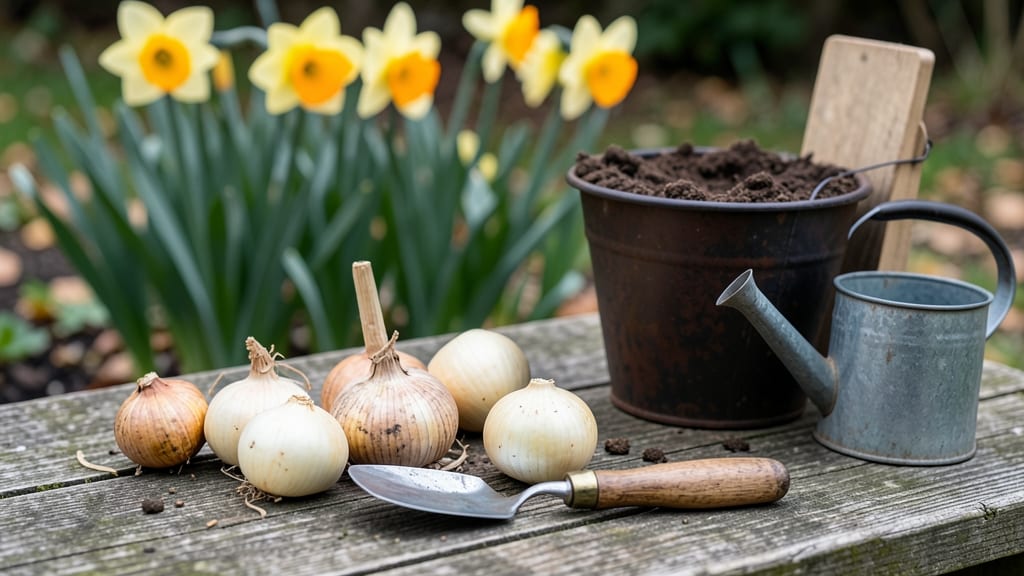
Planting daffodil bulbs in New Jersey between October and November 🌼 is the key to seeing those bright blooms next spring — but timing matters more than you might think.
Picture this: you’ve just spent $20 on bulbs, and now you’re staring at a frozen ground in December, wondering if they’ll even survive. Or worse, you plant too early and the bulbs rot before winter sets in.
NJ’s chill-hour zones and microclimates mean the "perfect" window shifts from north to south, and getting it wrong can delay your spring color by a full year.
Here’s the good news: with the right soil prep, depth, and a little local know-how, you can guarantee those cheerful 🌼 blooms every April.
I’ll walk you through the exact dates for your region, how to tell if your soil is ready, and the one mistake NJ gardeners make that kills their bulbs before they even sprout.
By the end, you’ll know not just when to plant, but how to set them up for success—so you can enjoy your first daffodils without the guesswork.
NJ daffodil planting timeline: fall dates based on chill-hour zones
New Jersey’s diverse USDA hardiness zones (5A-7B) create a unique challenge for daffodil growers. Unlike milder climates, NJ’s chill-hour requirements (typically 300-600 hours below 45°F) determine whether your bulbs will bloom reliably.
Planting too early in Zone 5A risks rot from lingering warmth, while waiting too long in Zone 7B may starve bulbs of dormancy time. The sweet spot? 6-8 weeks before ground freeze, adjusted by your specific microclimate.
Most NJ gardeners aim for mid-October to early November, but this varies by region. Coastal areas like Cape May (Zone 7B) can plant until mid-November, while inland zones like Sussex County (Zone 6A) should finish by late October.
The key is soil temperature—wait until it drops to 50-60°F at 4" depth, signaling ideal dormancy conditions for daffodil bulbs.
Here’s how NJ’s chill-hour zones break down for daffodil planting:
Why does this matter? Daffodils need cold stratification to break dormancy, but NJ’s variable fall temperatures can trick bulbs into sprouting too early.
For example, a Zone 6A gardener planting in late October risks bulbs waking up before winter’s chill sets in, while a Zone 7B gardener planting in December may miss the window entirely. Use a soil thermometer to confirm readiness—this small tool prevents costly mistakes.
Pro tip: If your fall is unusually warm (like 2023’s delayed frost), opt for earlier planting dates and protect bulbs with a 4-6 inch layer of straw mulch. This mimics nature’s gradual temperature drop, ensuring bulbs get the 300+ chill hours they need without premature sprouting.
For Zone 5A-6A gardeners, consider planting tender varieties like 'Ice Follies' in containers for flexibility.
Don’t overlook microclimates within NJ. A garden in Newark (Zone 7A) might experience 10°F warmer soils than one in Hackettstown (Zone 6A) just 30 miles away.
Adjust your timeline by observing nearby tree bud break—when Bradford pear buds swell in late winter, it’s your cue that bulbs have likely completed dormancy.
For late-season adjustments, monitor the National Weather Service’s frost prediction maps. If a hard freeze (<28°F) is forecast within 2 weeks of your planned planting, delay until soil temps stabilize. In Zone 7B, this often means waiting until November 15—but rushing past this date risks bulbs not rooting before winter sets in.
Remember: Daffodil bulbs planted in ideal conditions can live for decades, multiplying each year. But get the timing wrong, and you’ll spend another spring admiring your neighbor’s blooms instead of your own. With NJ’s unpredictable autumns**, the best strategy is to plant early in the window—you can always add more bulbs later if
Step-by-step daffodil planting guide for NJ’s climate
New Jersey’s fall weather can be as unpredictable as a garden party—one day sunny, the next a surprise frost. But daffodil bulbs thrive when planted at the right time and depth, even in our variable climate.
The key is getting them in the ground 4-6 weeks before the first hard frost, typically between mid-October and early November for most of NJ (USDA zones 6a-7a).
For northern NJ (like Bergen County), aim for late September to mid-October—soil temps should be below 60°F but not frozen. In southern NJ (Cape May area), you’ve got a little more wiggle room until early November. The goal? Let bulbs establish roots before winter dormancy kicks in.
🌱 Step-by-Step Daffodil Planting for NJ Gardens
- 📅 Choose the Right Time: Plant when soil temps are 50-60°F (use a soil thermometer). For NJ, this is typically October 1–November 15, depending on your microclimate.
- 🌿 Prep the Soil: Loosen soil to 12 inches deep and mix in 2 inches of compost. Daffodils hate soggy roots—ensure drainage by amending clay soil with sand or perlite if needed.
- 🏷️ Select Healthy Bulbs: Choose firm, pest-free bulbs (size ≥3 inches for best blooms). Discard any with soft spots or mold—these won’t survive NJ winters.
- 📏 Plant at the Right Depth: Dig holes 3x deeper than the bulb’s height (usually 6–8 inches deep). Space bulbs 4–6 inches apart in rows, or 6–8 inches apart for clusters.
- 🪴 Position for Sunlight: Plant bulbs in full sun to partial shade (6+ hours of sun daily). In hot southern NJ, morning sun + afternoon shade prevents bulb burn.
- 🌨️ Protect from Frost/Snow: After planting, cover beds with 2–3 inches of mulch (straw or shredded leaves). In late fall, add a light frost blanket if snow cover is thin.
- 💧 Water Lightly: Give bulbs 1 inch of water immediately after planting. Then, water only when soil is dry 2 inches down—overwatering in winter causes rot.
One of the biggest mistakes NJ gardeners make is planting daffodils too early (like August). Warm soil can trigger premature sprouting, leaving tender shoots vulnerable to early fall frosts.
Conversely, planting too late (December+) means bulbs won’t root before the ground freezes, leading to weak or no blooms next spring.
After planting, mark your beds with stakes or flags—daffodil foliage disappears by summer, and you’ll want to avoid disturbing the bulbs when planting annuals. In early spring, once snow melts and soil thaws, resume watering when shoots emerge.
Hold off on fertilizer until after blooming (late May) to encourage next year’s flowers.
Pro tip: If you’re in a windy coastal area (like Ocean County), plant bulbs in sheltered spots or use windbreaks to prevent frost heave. A little extra care now means bold, early spring blooms that brighten NJ’s often dreary March days. 🌼