
Plants
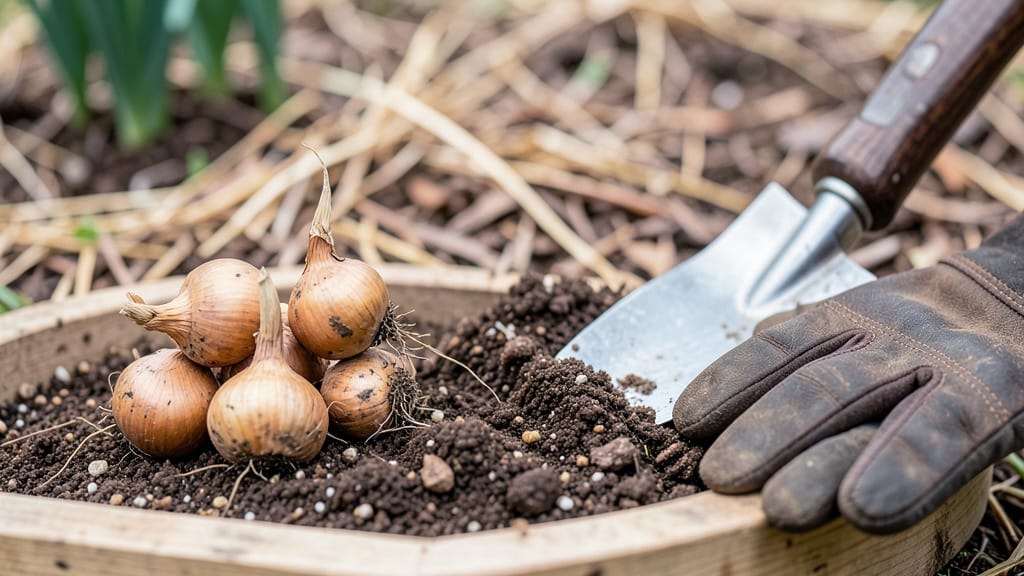
Planting daffodil bulbs in Texas between October and December sets them up to bloom bright and early, beating the summer heat.
Texas gardeners know timing is everything—plant too early, and the bulbs rot in the heat; too late, and they won’t bloom before summer’s scorching arrival. Mastering the perfect window ensures vibrant spring flowers without the guesswork.
Your zone matters: North Texas gardeners should aim for planting by mid-December, while Gulf Coast gardeners have until January. The key is getting those bulbs in the ground 6-8 weeks before the first frost, when soil temps drop to 60°F.
Below, I’ll break down the exact dates for your Texas zone, how to prep your soil for success, and pro tips to keep your 🌼 daffodils thriving through Texas’s unpredictable weather.
Texas planting Zones & ideal dates for daffodil bulbs
Texas gardeners face a unique challenge when planting daffodil bulbs—the state’s USDA zones 6-10 create wildly different conditions from the Panhandle’s chilly winters to the Gulf Coast’s mild climate.
Unlike northern states, Texas’s summer heat and variable frost dates demand precise timing to avoid bulb rot or missed blooms. I’ve planted daffodils across Zone 8a in Austin and Zone 9b in Houston, and these lessons will help you pinpoint the perfect window for your region.
Daffodils thrive when planted in cool soil (60-65°F), which in Texas typically means October through December. However, the exact timing shifts dramatically: North Texas gardeners (Zones 7-8) have until mid-December, while South Texas (Zones 9-10) must plant by early November to avoid summer heat stress.
The key is 6-8 weeks before your first frost—but Texas’s frost dates are anything but predictable.
Here’s where it gets tricky: The Hill Country (e.g., San Antonio, Zone 8a) often sees frost by mid-December, while the Gulf Coast (e.g., Galveston, Zone 9a) might not freeze until January—or not at all.
Even within Dallas (Zone 8a), microclimates can shift planting windows by 2-3 weeks. Use the table below as your Texas-specific planting guide, then adjust based on your local frost history.
| USDA Zone | Region Examples | Ideal Planting Window | Soil Temp Goal | Last Frost Risk |
|---|---|---|---|---|
| Zone 6 (Panhandle) | Amarillo, Lubbock | October 15–November 15 | 60–65°F | Late Nov–Dec 15 |
| Zone 7 (North) | Denton, Waco | October 30–December 1 | 60–65°F | Dec 1–Jan 10 |
| Zone 8 (Central) | Austin, San Antonio | November 1–December 15 | 60–65°F | Dec 15–Jan 15 |
| Zone 9 (South) | Houston, Corpus Christi | October 15–November 30 | 60–65°F | Jan 1–Feb 15 (rare) |
| Zone 10 (Far South) | Brownsville, Rio Grande Valley | September 15–October 31 | 60–65°F (urgent!) | None (or late Jan) |
For Zone 6-7 gardeners in the Panhandle or North Texas, aim for late October to avoid summer heat. These areas can still see 90°F soil temps in September, which will cook your bulbs before they sprout.
I once planted daffodils in Amarillo in September, and they rotted within weeks—the lesson? Wait for soil to cool.
In Zones 8-9, the window narrows
Signs your Texas soil is ready for daffodil bulbs (and how to fix it)
Before you plant daffodil bulbs in Texas, your soil must meet three critical conditions: temperature, moisture, and drainage. Skip these checks, and your bulbs risk rotting or failing to bloom. I’ve learned the hard way—last year’s soggy East Texas clay turned my bulbs to mush by spring!
Start by testing your soil temperature. Daffodils thrive when the ground stays above 60°F—use a soil thermometer to confirm. In North Texas, aim for late October; in South Texas, wait until November. Sandy soils in West Texas warm faster, so plant earlier if temps are ideal.
Next, check moisture levels. Stick your finger 6 inches deep—if it’s bone-dry, water thoroughly 24 hours before planting. Clay soils in East Texas hold too much moisture; amending them is key. Sandy soils in West Texas drain too quickly, so mulch after planting to retain humidity.
Clay soils (East Texas) compact easily—never plant when soggy. Sandy soils (West Texas) dry out fast—mulch immediately after planting. Test drainage by digging a 6-inch hole: if water pools after 30 minutes, amend with compost or perlite.
For heavy clay soils, mix in 3 inches of compost or aged manure to improve aeration. Work it into the top 12 inches of soil where bulbs will sit.
In sandy soils, blend in 2 inches of peat moss or coco coir to boost water retention. Aim for a loamy texture—think crumbly, not sticky or gritty.
Finally, perform a drainage test: dig a 12-inch hole, fill it with water, and time how long it takes to drain. Ideal soil drains in 1–2 hours.
If water lingers, raise beds or add gravel at the bottom. In West Texas, where evaporation is brutal, use drip irrigation to keep soil consistently moist without overwatering.
Once your soil passes these tests, plant bulbs 6–8 inches deep and 4–6 inches apart. Top with 2 inches of mulch to protect from Texas’s unpredictable freezes. With the right prep, your daffodils will reward you with vibrant blooms by spring—no guesswork required!