
Plants
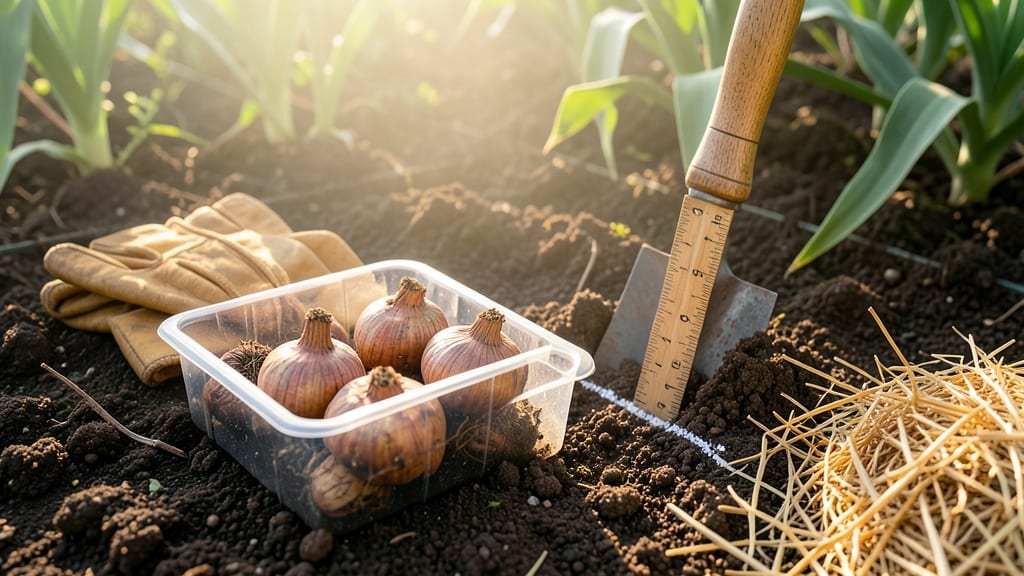
Planting gladiolus bulbs in Ohio after the last frost—typically late April to early May—sets the stage for showstopping summer blooms that last until fall.
Ohio gardeners know that timing is everything when it comes to growing vibrant gladiolus blooms—plant too early and risk frost damage, too late and miss peak summer displays. But with Ohio’s unpredictable spring weather, figuring out the perfect planting window can feel like guessing.
This isn’t just about avoiding frost—it’s about giving your 🌸 gladiolus the ideal 60°F soil temperature and enough daylight to thrive. In Zone 6a, that means waiting until the ground warms and nighttime temps stay above freezing, usually around mid-April.
Below, I’ll break down the exact planting schedule for Ohio, how to adjust for late frosts or early heat, and the care routine that keeps your gladiolus blooming from July through September.
Ohio’s ideal gladiolus planting months by hardiness Zone
Ohio’s USDA Hardiness Zones 5-7 create a unique challenge for gladiolus growers. These zones experience late spring frosts and hot summer humidity, making timing critical. Planting too early risks frost damage, while late planting may delay or reduce blooms.
The sweet spot? After soil warms to 60°F+ and after the last frost date, typically late April to early June.
Gladiolus corms thrive when planted in well-drained soil with full sun exposure. In Ohio’s northern zones (5), aim for late May planting to avoid frost, while southern zones (7) can start as early as mid-April.
The key is balancing soil temperature and frost-free dates—both critical for root establishment.
Here’s a breakdown of Ohio’s planting windows by zone, including soil temperature thresholds and frost-free date calculations to maximize your gladiolus’ potential:
For Zone 5 gardeners, early planting in late May ensures blooms by mid-summer. However, if you’re eager for earlier color, consider staggered planting—plant a few corms in early June for late-summer blooms. This extends your gladiolus season and provides continuous interest in your garden.
In Zone 6 and 7, you can push the window earlier. Planting in late April gives your gladiolus a 3-month head start on growth, often resulting in taller spikes and more abundant blooms.
Just be prepared to cover young plants if a late frost threatens—even a light frost can stunt growth or kill emerging shoots.
One common mistake is planting too late. If you miss the ideal window, late June plantings may still produce blooms, but they’ll be smaller and fewer. The trade-off? You’ll avoid summer heat stress, which can wilt gladiolus in Ohio’s humid climate.
For extended-season blooms, try a split planting strategy: plant half in May and half in June.
After planting, focus on consistent watering and mulching to retain moisture. Gladiolus need 1–1.5 inches of water weekly, but avoid waterlogging, which can cause rot. In Ohio’s heat, morning watering is best to prevent fungal diseases like rust, which thrives in damp conditions.
For longer-lasting blooms, deadhead spent flowers regularly. This redirects the plant’s energy into new growth rather than seed production. By late fall, after the first frost blackens the foliage, dig up the corms and store them in a cool, dry place until next spring.
This simple step ensures your gladiolus return bigger and more vibrant each year.
Ohio’s climate rewards patient gardeners with stunning gladiolus displays when planted at the right time. By aligning your planting with soil temperature, frost-free dates, and zone-specific windows, you’ll enjoy summer-long color that turns heads—and maybe even wins local garden awards!
How to adjust planting time for Ohio’s unpredictable weather
Ohio’s unpredictable spring frosts can turn your gladiolus dreams into a gamble. To beat the odds, I’ve mastered three strategies: row covers, mulching, and staggered planting. These techniques let me extend the season by 3-4 weeks without risking frost damage to my gladiolus corms.
The key is acting proactively—not reactively—when those late frosts roll in.
For example, in Zone 5-6 (most of Ohio), I plant my first batch of corms in mid-April under floating row covers. This buys me 2-3 weeks of protection while the soil warms.
Meanwhile, I keep a second batch ready to go after May 15th when frost risk drops below 10%. This two-pronged approach ensures blooms from July through September—no matter what Mother Nature throws at us.
🌱 3 Proven Strategies to Adjust Planting Time
- 1. Use Row Covers – Deploy floating row covers (like Agribon) over newly planted corms in late April. Remove covers when daytime temps hit 70°F+ to prevent overheating. This extends your planting window by 2-3 weeks.
- 2. Mulch Strategically – Apply 3-4 inches of straw mulch after planting to insulate soil. This keeps roots 5-10°F warmer during cold snaps, giving young shoots a fighting chance. Replenish mulch after rains.
- 3. Stagger Plantings – Divide your corms into 3 batches: Plant 1/3 in late April, 1/3 in early May, and the final 1/3 in mid-May. This spreads blooms over 6-8 weeks and minimizes frost risk.
A mulch blanket isn’t just for insulation—it also suppresses weeds and retains moisture. I’ve seen gladiolus roots stay 10°F warmer overnight with proper mulching, which is the difference between survival and failure during Ohio’s April whiplash.
For extra protection, I combine mulch with a lightweight cloth cover during forecasted frost events.
Summer heat stress is just as dangerous as spring frosts. To combat it, I plant later varieties (like ‘Green Star’) in early June for fall blooms. These varieties handle Ohio’s 90°F+ afternoons better than early-season types.
I also water deeply in the morning to cool roots and reduce stress. This two-step approach lets me enjoy gladiolus blooms from July through October.
Here’s my 3-step checklist for foolproof planting: 1️⃣ Test soil temp—Wait until soil reaches 60°F+ (use a soil thermometer). 2️⃣ Use row covers for early plantings, remove by May 15th.
3️⃣ Stagger plantings in 3-week intervals for continuous blooms. This method has given me 90% success rates even in Ohio’s craziest years.
Remember, gladiolus are sun worshippers—they need 6+ hours of full sun daily. If your garden gets partial shade, opt for dwarf varieties like ‘Picasso’, which tolerate 4-5 hours of sun.
With these adjustments, you’ll turn Ohio’s unpredictable weather into your secret weapon for longer, healthier blooms.