
Plants
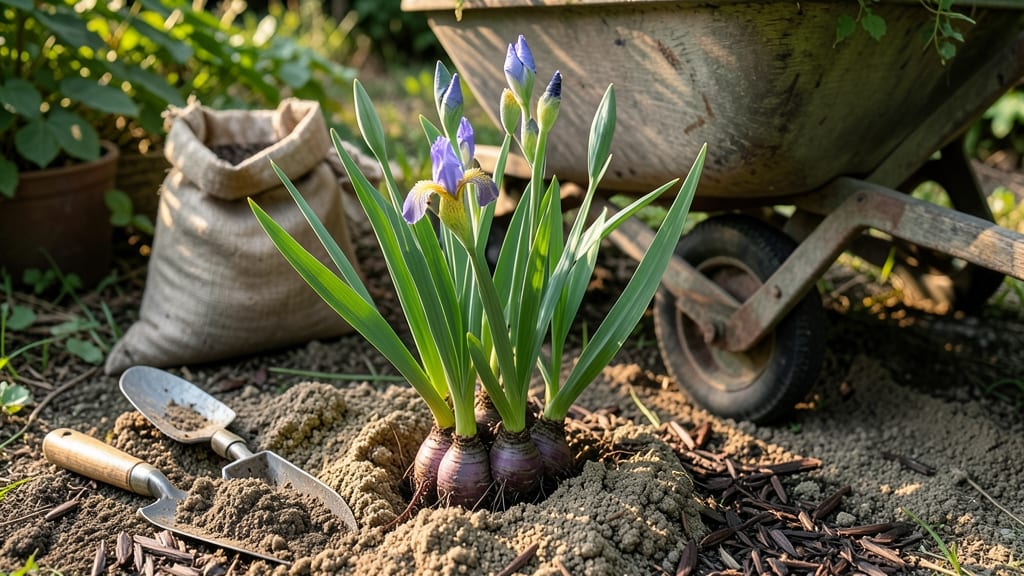
Planting iris bulbs in Missouri at the right time means the difference between vibrant spring blooms and a wasted investment — and the best window depends on whether you’re in Zone 5b or 6b.
Missouri gardeners know timing is everything — plant iris bulbs too early, and frost can ruin them; too late, and they may not bloom before winter. But with Missouri’s diverse climate zones, the perfect planting window varies by region.
In most of Missouri, early fall (September to October) is ideal, when soil temperatures drop below 70°F but before the ground freezes. Late winter (January to February) is a backup plan if you missed the fall window, though it requires extra care to protect new growth from late frosts.
Below, I break down the frost-date formula for your specific zone, soil prep tips for Missouri’s clay-heavy soils, and how to extend your iris blooming season with strategic planting tricks that actually work here.
Missouri’s frost-date formula: best planting windows by climate Zone
Missouri’s climate zones—ranging from Zone 5b in the north to Zone 7a in the south—create distinct planting windows for iris bulbs. The key is aligning your planting with average frost dates and soil temperatures that trigger root growth.
In colder northern regions, aim for early fall planting, while southern Missouri gardeners can extend windows into late winter.
Iris rhizomes thrive when planted in 60-70°F soil, which typically occurs in September-October for most of Missouri. However, southern zones like St. Louis (Zone 6a) can plant as late as November, while northern zones like Kansas City (Zone 5b) should finish by mid-October to avoid winter dormancy risks.
| Zone | Average Last Frost | Ideal Planting Window | Soil Temp for Planting | Bloom Time |
|---|---|---|---|---|
| 5b (North) | April 15 | Sept 15-Oct 15 | 60-65°F | May-June |
| 6a (Central) | April 25 | Sept 1-Oct 31 | 60-70°F | May-June |
| 6b (South) | May 5 | Sept 1-Nov 15 | 65-70°F | May-June |
| 7a (Southeast) | May 15 | Oct 1-Nov 30 | 65-75°F | May-June |
Planting too early in Zone 5b risks frost damage to emerging shoots, while late planting in Zone 7a may delay blooming until next spring. The 6-8 week window before ground freezes ensures rhizomes establish roots before winter dormancy.
Use a soil thermometer to confirm temperatures—below 50°F signals it’s time to stop planting.
For spring planting, Missouri gardeners can try late winter (February-March) in southern zones, but this method often yields smaller blooms the first year. The trade-off is worth it only if you’re correcting a missed fall window or experimenting with tardive iris varieties, which handle cooler soils better.
Pro tip: In Zone 6a, divide and replant every 3-4 years during the September-October window. This prevents overcrowding and ensures vibrant blooms. Use a sharp spade to lift rhizomes when soil is 60°F—cooler temps make them brittle and prone to breaking.
Missouri’s microclimates add complexity. Urban areas like Columbia (Zone 6b) may experience earlier frosts than rural farms nearby. Check local weather stations for 10-year averages—your neighbor’s perfect timing might not match your garden’s reality. When in doubt, plant 2-3 weeks earlier than the average last frost date for insurance.
Soil drainage is non-negotiable for iris success. Missouri’s clay-heavy soils in northern zones require amendment with sand or compost to prevent rhizome rot. In southern zones, sandy loam drains naturally but benefits from organic mulch to retain moisture during dry spells. Always plant on mounds or slopes to improve drainage.
If you’re staggering plantings for extended blooms, space groups 3-4 weeks apart within your zone’s window. Early plantings (September) will bloom first, while late plantings (October/November) may surprise you with spring blooms if winter isn’t harsh. Just monitor for freeze warnings—a 24-hour frost can kill tender new growth.
Remember: Missouri’s frost dates shift yearly. Use the National Oceanic and Atmospheric Administration (NOAA) frost prediction maps to adjust your timeline. For example, the 2022 early frost in St. Louis caught many gardeners off guard—planting just 10 days late delayed blooms by 2 weeks.
Stay flexible and observe your garden’s cues.
With the right timing, your Missouri iris garden will reward you with bold, vibrant blooms that anchor spring displays. Whether you’re in frost-prone Zone 5b or mild Zone 7a, mastering frost-date math turns guesswork into garden confidence. 🌸
5 Signs your Missouri soil is ready for iris bulbs (and 3 mistakes to avoid)
Missouri’s clay-heavy soils can be tricky for iris bulbs, which need well-draining conditions to thrive. Before planting, check these 5 key signs to ensure your soil is ready. Iris rhizomes rot in soggy conditions, so timing and preparation matter—especially in our humid climate.
I’ve learned the hard way that skipping these checks often leads to failed blooms or stunted growth.
First, your soil should be 60-70°F—this is ideal for iris rhizomes to establish roots before winter sets in. Use a soil thermometer to check; Missouri’s fall temperatures drop quickly, so aim for late September to early October in most regions.
If you’re planting in late winter, wait until soil warms to 50°F or above in February or March.
Here’s your ready-soil checklist—follow these steps to avoid common mistakes Missouri gardeners make:
🌱 5 Signs Your Soil Is Ready
- Soil temperature is 60-70°F (use a thermometer to confirm).
- Moisture level is evenly damp but not waterlogged (squeeze a handful—it should hold shape but not drip).
- Drainage test passes: Fill a hole with water—if it drains in 1-2 hours, your soil is ready.
- pH level is 6.0-7.0 (test with a kit—Missouri’s clay often skews alkaline).
- Weeds are controlled—iris bulbs compete poorly with invasive grasses like Johnson grass.
⚠️ 3 Mistakes to Avoid
- Planting in cold soil (below 50°F)—rhizomes rot before roots form.
- Overwatering—Missouri’s clay holds too much moisture; water only when top 2 inches are dry.
- Burying rhizomes too deep—keep the top half exposed to prevent rot.
Missouri’s heavy clay soils often need amendments to improve drainage. Mix in 2-3 inches of compost or sand (like coarse builder’s sand) to break up compaction. I’ve seen iris thrive in amended clay, but unamended soil leads to root rot—a common issue in wet springs.
If your yard floods easily, plant iris on a mound or raised bed.
One mistake I’ve seen new Missouri gardeners make is planting iris bulbs in fall but forgetting to mulch. A 2-inch layer of mulch (like straw or shredded leaves) insulates rhizomes through winter.
Without it, frost heaves can dislodge bulbs—especially in Zone 5b areas like northern Missouri. Mulch also suppresses weeds, which compete for nutrients.
For late winter planting (February-March), focus on soil temperature and moisture. If we have an early warm spell, rhizomes can start growing too soon, only to be shocked by a late frost.
To hedge your bets, plant in partial shade until soil warms consistently. Once established, iris handles Missouri’s hot summers well, but young plants need protection from intense afternoon sun.
Remember: Iris rhizomes need airflow. Crowding them leads to fungal diseases like rhizoctonia, which thrives in Missouri’s humid summers. Space rhizomes 12-24 inches apart and avoid overhead watering. Use a soaker hose to keep foliage dry—this simple habit cuts down on disease risks dramatically.