
Planting
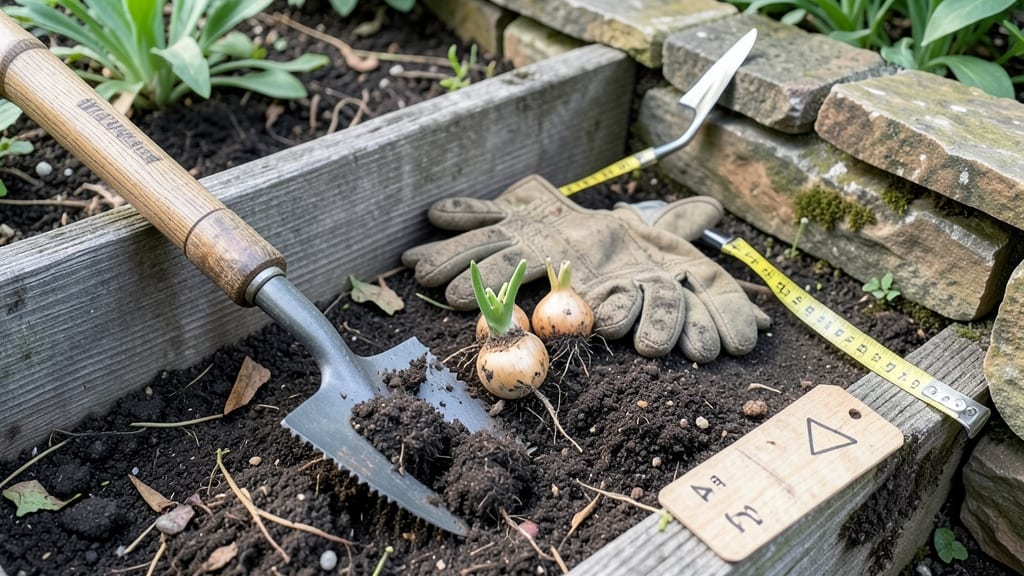
Transplanting bulbs at the right time—when soil temperatures hit 55°F to 60°F—makes the difference between thriving blooms and stunted growth.
Picture this: you’ve just dug up your 🌱 bulbs in early spring, eager to replant them in a sunnier spot, only to watch them wilt because the soil was still too cold. That’s a common mistake, and it’s avoidable with the right timing.
Soil temperature isn’t just about the calendar—it’s about giving your bulbs the perfect window to establish roots without shock. Too early, and roots freeze; too late, and they dry out.
The key is knowing when your zone’s soil warms up (or cools down, for fall plantings) and how to test it.
In this guide, I’ll walk you through the exact soil temps for spring vs. fall transplanting, how to check readiness with a simple tool, and the best months for your USDA zone—so you can transplant with confidence and see those blooms return year after year.


Optimal soil temperature ranges for transplanting bulbs by type
Transplanting bulbs requires precision—especially when it comes to soil temperature. Cold soil can stunt root growth, while warm soil may trigger premature sprouting. The key is planting when the ground is cool but thawed, allowing roots to establish without shock.
For most bulbs, this means targeting 40–60°F soil temperatures, but the ideal range varies by type and season.
Spring-blooming bulbs like tulips and daffodils thrive when transplanted in fall, while fall-planted bulbs such as lilies and alliums need warmer soil in early spring. Regional adjustments are critical—USDA Zone 3 gardeners must account for earlier frosts, while Zone 10 gardeners delay planting until soil warms further.
Let’s break down the science-backed thresholds for each bulb category.
| Bulb Type | Optimal Transplant Season | Soil Temp Range (°F) | USDA Zones | Key Notes |
|---|---|---|---|---|
| Tulips | Fall (6–8 weeks before frost) | 40–50°F | 3–8 | Plant when soil cools below 60°F |
| Daffodils | Fall (6–8 weeks before frost) | 45–55°F | 3–10 | Tolerates slightly warmer soil |
| Hyacinths | Fall (6–8 weeks before frost) | 40–50°F | 4–9 | Needs well-draining soil |
| Lilies | Early Spring (after last frost) | 55–65°F | 5–10 | Warm soil prevents rot |
| Alliums | Fall or Early Spring | 45–60°F | 3–10 | Flexible timing for hardy types |
| Crocuses | Fall (4–6 weeks before frost) | 35–45°F | 3–8 | Early bloomers need cold dormancy |
For spring-blooming bulbs like tulips, the goal is to plant them when soil temperatures drop below 60°F but stay above freezing. This ensures roots establish before winter dormancy.
In USDA Zones 3–5, aim for late September to early October, while in Zones 6–8, transplant in October or November. Zones 9–10 may extend planting into December, but avoid planting when soil temps dip below 40°F.
Fall-planted bulbs, such as lilies and alliums, prefer warmer soil in early spring. Wait until soil temperatures consistently stay above 55°F—typically March to April in most regions.
In Zone 10, where winters are mild, you might transplant as late as May, but prioritize well-draining soil to prevent rot in warm conditions.
Regional microclimates add complexity. For example, Pacific Northwest gardens (Zone 7–9) may experience cooler springs, delaying lilies until April or May, while Deep South gardens (Zone 8–10) can plant lilies in February. Always check soil temps with a soil thermometer—a
5 Signs your soil is ready (or not ready) for bulb transplanting
Transplanting bulbs requires perfect timing—too early, and roots suffer; too late, and blooms falter. The key lies in your soil’s temperature, moisture, and frost risk. I’ve learned the hard way that ignoring these signs leads to shocked bulbs and weak growth.
Let’s dig into what your soil is really telling you before you dig.
First, check the soil temperature using a simple thermometer. For most bulbs, like tulips and daffodils, soil should be between 50-60°F. If it’s colder, roots won’t establish; if it’s warmer, bulbs may overheat.
I always test in the late afternoon when soil is warmest—this mimics real growing conditions.
Next, assess moisture levels. Stick your finger 2 inches deep—if it feels damp but not soggy, your soil is ideal. Overwatered soil suffocates roots, while dry soil causes transplant shock. I use a moisture meter for accuracy, especially in sandy soils that drain too quickly.
Don’t overlook frost risk—even if soil is warm, a late frost can kill tender roots. I once transplanted hyacinths in early March, only for a surprise frost to blacken their tips. Now, I cross-check with my local frost calendar and add 2 weeks of buffer for safety.
One of my biggest mistakes? Ignoring root development. Before transplanting, gently dig up a test bulb. If roots are shorter than 1 inch, wait. Healthy roots should be white and firm, not brown or mushy.
I learned this the hard way with alliums that wilted because their roots weren’t ready.
Finally, time your transplant for overcast days. Bright sun stresses newly moved bulbs, while cloud cover reduces transplant shock. Water deeply the day before and after moving to help roots establish. With these signs in mind, your bulbs will thrive—and next year’s blooms will outshine all your neighbors’!