
Pests
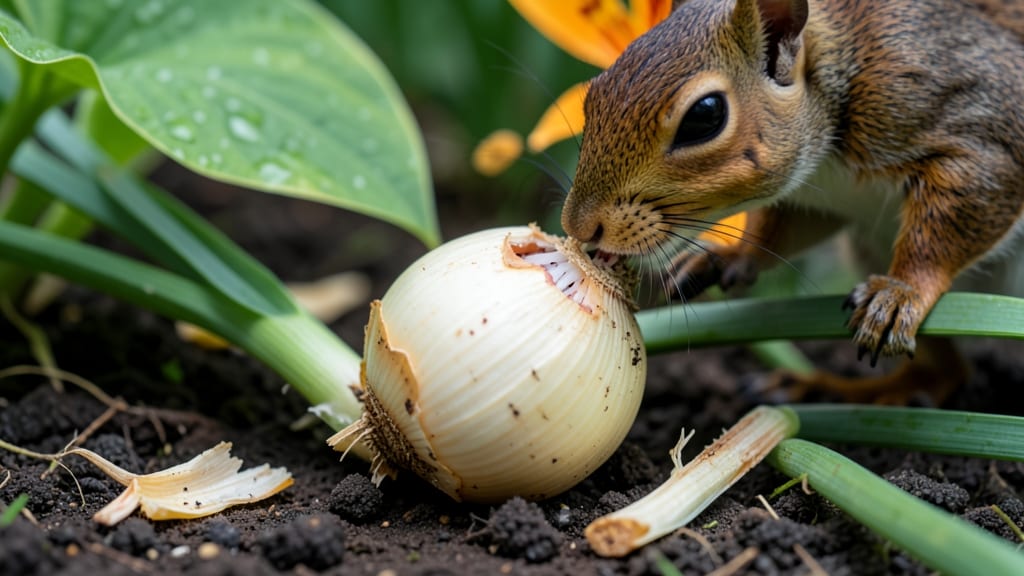
Squirrels do eat iris bulbs, often digging them up for their starchy roots, which can kill the plant. Look for chewed foliage, uprooted bulbs, or scattered dirt near iris beds as damage signs. Protect bulbs with wire mesh or repellents to prevent loss.
Squirrels are notorious for raiding gardens, and iris bulbs are a prime target because their underground roots contain concentrated starches that provide quick energy. 🌱 Unlike many pests that nibble on leaves, squirrels systematically dig up entire bulbs, leaving behind telltale signs like fresh holes and scattered soil.
This behavior peaks in late summer and early fall when squirrels are stockpiling food for winter, making your iris beds particularly vulnerable during these months.
If you've noticed your irises failing to bloom or see squirrels actively digging, don't panic—there are proven ways to protect them. The key is combining physical barriers with natural deterrents, like burying chicken wire around the base or sprinkling cayenne pepper around the plant.
I've had the best success with a simple wire cage that's buried a few inches deep, which completely blocks access without harming the squirrels.
💡 In This Article
- Why Squirrels Target Iris Bulbs in Gardens
- Effective Squirrel-Proofing Methods for Iris Plants
Why squirrels target iris bulbs in gardens
Squirrels are drawn to iris bulbs primarily because of their high starch content, which provides a concentrated energy source. These underground storage organs can contain up to 30-40% starch by dry weight—a nutritional goldmine for squirrels preparing for winter.
Unlike leafy greens or fruits, which offer water and quick sugars, iris bulbs deliver sustained energy in a compact, easy-to-digest package. This makes them a preferred snack over other garden plants, especially when squirrels are bulking up their winter food caches.
The digging behavior is particularly aggressive because squirrels use their powerful front claws to excavate bulbs with surgical precision. You'll often find 2-3 inch deep holes arranged in neat rows where the bulbs were unearthed.
What's surprising is how selective they can be—some squirrels will ignore perfectly healthy iris plants if they've already found a better food source nearby, like tulip or daffodil bulbs.
The key difference with irises is their fibrous, fleshy roots, which squirrels find irresistible compared to the more watery roots of other perennials.
Seasonal patterns play a huge role in this behavior. Squirrels become most active between late summer and early fall (August through October), when they're stockpiling food for hibernation.
During this time, a single squirrel can consume 50-100 bulbs per season, which explains why gardeners suddenly notice mass destruction when they return in spring. The irony? Many irises won't even sprout if their bulbs are eaten, leading to what looks like natural die-off rather than pest damage.
What makes this worse is that squirrels often return to the same digging spots year after year, creating permanent damage zones in your garden.
Unlike rabbits that might nibble leaves or deer that might trample plants, squirrels leave behind distinctive soil mounds and exposed root systems that are impossible to miss. The good news is that their behavior is predictable—understanding these patterns lets you time your protective measures most effectively.
Another fascinating aspect is how squirrels communicate about food sources. Studies show they use vocalizations and even scent marking to alert others to rich food patches. This means if one squirrel finds your iris bed, others will quickly follow, turning a small problem into a full-blown invasion within days.
The solution? Act fast once you spot the first signs of digging, before the word spreads through the local squirrel community.
For gardeners who've lost irises to squirrels, the frustration is understandable—especially when you've invested time in planting and care. The key insight is that this isn't just about protecting the plants; it's about understanding the squirrels' winter survival strategies.
Their bulb-eating habits aren't malicious—they're simply following thousands of years of evolutionary programming to ensure they'll have food when other options disappear. 🌿