
How To
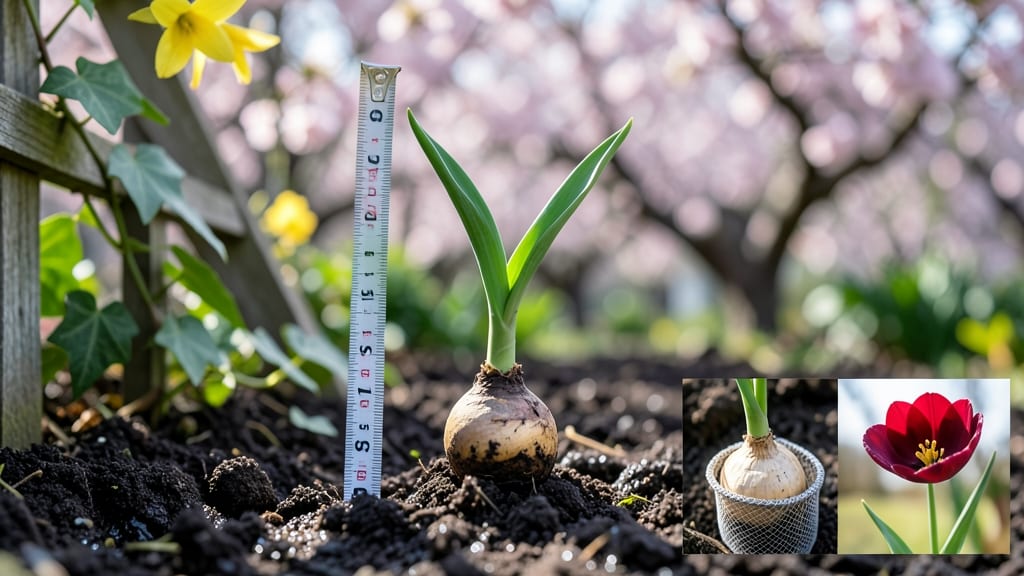
Bulbs to sprout takes anywhere from 4 to 12 weeks, depending on the type and conditions—but patience isn’t always the answer.
You’ve planted your 🌷 Spring Bulbs (e.g., Tulip, Daffodil, Crocus) in fall, only to stare at bare soil wondering why nothing’s happening. The truth? Some bulbs are slow starters, but others just need the right nudge.
Temperature, soil depth, and even how you stored them before planting can turn weeks into days.
Here’s what you need to know: how to read the signs of life underground, when to adjust your approach, and the 3 simple tricks that can shave weeks off your waiting game.
Whether you’re dealing with stubborn tulips or eager crocuses, these insights will help you avoid the common pitfalls that leave your garden looking like a winter wasteland long after the frost has passed.
By the end, you’ll spot the first green shoot faster, troubleshoot delays like a pro, and even coax a few early blooms—because nobody should have to wait until March to see color after all that fall prep.
How long for bulbs to sprout: typical germination times by plant type
If you've ever planted flower bulbs only to stare at bare soil for weeks, wondering when those sprouts will finally appear, you're not alone. Bulb sprouting times vary widely—some pop up in 2-3 weeks, while others take months.
The key lies in understanding your specific bulb type, soil temperature, and planting conditions. Let’s break down the timelines for your favorite spring bloomers so you can set realistic expectations and troubleshoot delays.
Most gardeners plant bulbs in fall for spring blooms, but sprouting doesn’t begin until soil temperatures rise in late winter or early spring. For example, crocus bulbs often sprout first, signaling that other bulbs like tulips and daffodils are ready to follow.
The maturity of the bulb also plays a role—older, larger bulbs tend to sprout faster than smaller ones. Below, we’ll explore the typical germination windows for popular bulbs and the factors that can speed up or slow down the process.
🌱 Pro Tip: Keep a garden journal to track when you plant bulbs and note the first signs of sprouts. This helps you anticipate future planting schedules and adjust for your local climate.
Notice how crocus bulbs often break through the soil first? That’s because they’re early bloomers designed to thrive in cooler temperatures. If you’re forcing bulbs indoors for holiday blooms, hyacinths and tulips respond well to pre-chilling (6-8 weeks in the fridge), which mimics winter conditions and triggers faster sprouting.
Meanwhile, daffodils are the most patient, often waiting until soil warms to 50°F before showing signs of life.
Your local climate also shifts these timelines. In warmer zones (USDA 8-10), bulbs may sprout earlier, while in colder regions (USDA 3-6), they might linger underground until late spring.
For example, in Zone 5, tulips often wait until April to sprout, whereas in Zone 9, they might appear as early as February. Always check your last frost date and adjust planting times accordingly.
🌡️ Soil Temperature Matters: Use a soil thermometer to monitor conditions. Most bulbs need soil temps between 40-50°F to sprout. If your soil is still below 35°F, your bulbs are in dormancy mode and won’t respond until conditions improve. In containers, sprouting can happen 2-4 weeks earlier because potting mixes warm up faster than garden soil.
Another critical factor is bulb maturity. A large, firm daffodil bulb (2+ inches in diameter) will sprout faster than a small, soft tulip bulb
3 Proven tricks to speed up bulb germination and sprouting
If you've ever planted flower bulbs only to stare at bare soil wondering how long for bulbs to sprout, you're not alone. While most bulbs need 4-8 weeks to break dormancy, some stubborn varieties can take 3-6 months—especially in cooler climates.
The good news? You can accelerate germination with simple, science-backed tricks that mimic natural conditions bulbs crave.
Bulbs like tulips and daffodils rely on cold stratification to trigger growth, but improper soil moisture or planting depth can stall progress. By adjusting just a few factors—pre-chilling, planting depth, and watering techniques—you can cut weeks off the waiting game.
Let’s dive into the top 3 methods that actually work, backed by horticultural research.
-
1Pre-Chill Bulbs for 6-8 Weeks
Store bulbs in a cool (35-45°F) dark place (like a fridge) before planting. This mimics winter conditions and triggers sprouting hormones. -
2Plant at 2-3x Bulb Depth
Dig holes 6-8 inches deep (for standard bulbs) to protect roots from temperature fluctuations and drought stress. -
3Keep Soil Moist but Not Soggy
Water deeply once a week (1 inch total) to encourage root growth. Avoid overwatering, which causes rot.
For bulbs planted in containers, like hyacinths or crocus, place them near a south-facing window or under grow lights to simulate spring sunlight. This extra light boosts photosynthesis in emerging shoots, often shaving off 1-2 weeks of waiting time.
If your bulbs still refuse to sprout after 8-10 weeks, check for rotten bulbs (squishy texture) or pests (holes in the base). In this case, replant fresh bulbs and adjust your soil drainage by mixing in sand or perlite.
Patience is key, but these tricks will maximize your chances of seeing those first green shoots!
Pro tip: Mark your planting spots with bamboo stakes or a garden flag so you don’t accidentally disturb the soil while waiting. A little organization goes a long way when you’re eager to see how long for bulbs to sprout in your own garden.