
Planting
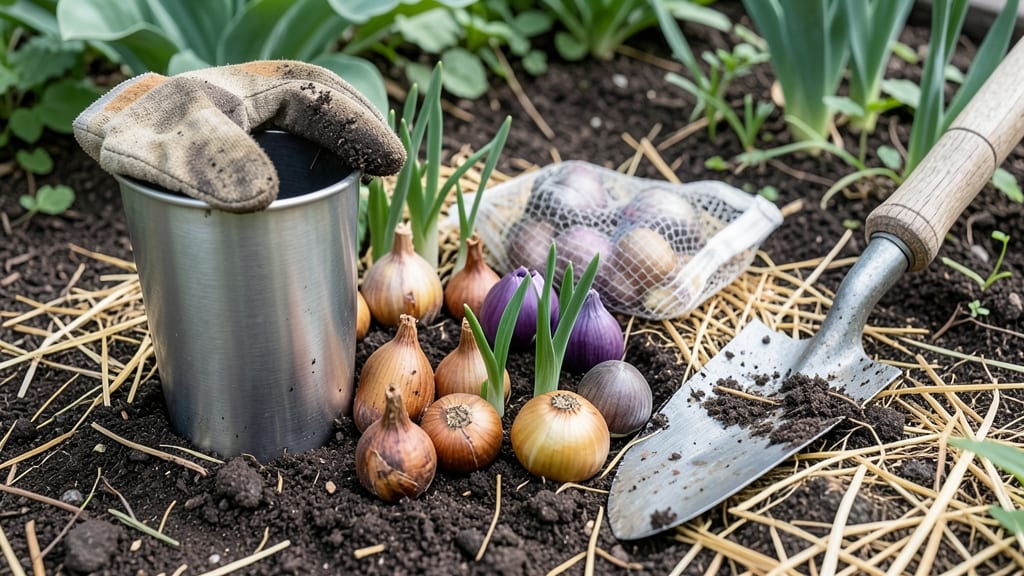
Planting flower bulbs 🌷 in the fall creates a six-week window before the ground freezes—miss it, and your spring blooms will never arrive.
Timing is everything when it comes to planting flower bulbs in the fall—get it right, and you’ll enjoy vibrant blooms next spring; miss the window, and you risk frozen soil or wasted effort.
For most gardeners in USDA Zone 6a, that means digging in by mid-September, but the exact date depends on your local frost date and soil temperature. Too early, and bulbs rot; too late, and they won’t root before winter sets in.
Below, I’ll break down the perfect planting window, how to check soil readiness, and the best bulbs for your climate—so you can wake up next spring to a garden bursting with color.
The 6-Week pre-frost rule: exact timing for planting flower bulbs
Planting flower bulbs in the fall is all about timing—specifically, the 6-week window before your first hard frost. This rule ensures bulbs like tulips, daffodils, and hyacinths establish roots before winter dormancy.
Miss this window, and you risk bulbs freezing or rotting in soggy soil. The key is understanding your USDA zone and local frost dates to calculate the perfect planting month.
Most gardeners in USDA Zones 3-8 aim to plant bulbs between mid-September and mid-November, but exact dates vary. For example, Zone 3 gardeners should plant by early October, while Zone 8 may have until late November.
The soil temperature threshold is critical—bulbs need to root before the ground drops below 40°F (4°C) for more than a few days.
Here’s the golden rule: Plant bulbs 6-8 weeks before the first hard frost in your area. This gives roots time to grow but prevents bulbs from sprouting too early. Use your local frost date map (available from the National Weather Service) to pinpoint your exact window.
For instance, if your frost date is November 15, plant between September 20 and October 20.
🌱
| USDA Zone | Ideal Planting Window | Soil Temp Threshold | Example Bulbs |
|---|---|---|---|
| Zones 3-4 | Mid-September to early October | Above 50°F (10°C) | Tulips, Daffodils, Crocuses |
| Zones 5-6 | Late September to mid-October | Above 45°F (7°C) | Hyacinths, Alliums, Snowdrops |
| Zones 7-8 | October to early November | Above 40°F (4°C) | Paperwhites, Freesias, Rain Lilies |
| Zones 9-10 | November (or early spring) | Above 35°F (2°C) | Cyclamen, Gladiolus, Ranunculus |
To calculate your exact planting date, start with your average first frost date. Subtract 6 weeks to find your target window. For example, if frost hits November 1 in your area, plant between September 14 and September 28.
Pro tip: Use a soil thermometer to confirm temperatures—bulbs need consistently cool soil (below 60°F/15°C) to trigger dormancy.
Regional variations matter! In northern climates (Zones 3-5), focus on early September planting for tulips and daffodils, which need 8-10 weeks to root. In southern zones (7-10), plant later (October-November) to avoid premature sprouting during mild winters.
Even in warm climates, bulbs like paperwhites can be planted in containers indoors for winter blooms.
Common mistakes include planting too early (bulbs rot in warm soil) or too late (roots don’t establish before frost). Test your soil’s readiness by pushing a broadfork 6 inches deep—if it’s crumbly and cool, it’s time.
For large bulbs (tulips, daffodils), plant them 6-8 inches deep; for small bulbs (crocuses, snowdrops), 3-4 inches suffices.
🌿
For container gardening, use well-draining pots and plant bulbs shallowly (depth = bulb height × 2). Add a layer of mulch (2-3 inches) after planting to insulate roots and retain moisture.
In heavy clay soils, mix in compost or sand to improve drainage. Remember, bulbs store energy over winter—don’t fertilize in fall; wait until early spring when shoots emerge.
Use this 6-week rule as your guide, but always double-check with your local cooperative extension service for hyper-local advice. With the right timing, your garden will burst with color next spring—no frost damage, no wasted effort. Happy planting!
✂️
Signs your soil is ready: 5 indicators for fall bulb planting
Fall bulb planting success starts with understanding your soil conditions. Planting too early or late can leave bulbs vulnerable to rot or frost damage. The key is finding that sweet spot where the ground is cool but workable—not frozen, not soggy.
I’ve learned this the hard way after rushing tulip bulbs into cold soil one October and watching them fail to sprout. Let’s fix that together!
Your soil’s readiness hinges on two critical factors: temperature and moisture. A simple soil thermometer and finger test can save you from costly mistakes.
For example, in USDA Zone 6a, I aim for soil temps between 40°F and 60°F—warm enough to handle but cool enough to prevent premature growth. Too warm, and bulbs may sprout early; too cold, and they’ll freeze before establishing roots.
✅ 5 Signs Your Soil Is Ready for Fall Bulbs
- 🌡️ Soil Temperature: 40°F–60°F (use a thermometer to check 6" deep).
- 💧 Moisture Level: Damp but not soggy (squeeze soil—it should hold shape but not drip).
- 🌱 No Standing Water: Well-draining soil prevents rot (test by digging a small hole).
- ⏰ 6-Week Frost Window: Plant at least 6 weeks before first hard frost (check local forecasts).
- 👆 Workable Texture: Soil should crumble easily when dry—no clumps or hardpan.
Don’t rely on calendar dates alone—your local climate varies! For instance, in Zone 5, I plant daffodils by mid-October, while in Zone 8, November works better. A quick trick: dig a 6-inch hole and check the soil.
If it’s too dry, water it thoroughly before planting. If it’s still warm (above 60°F), wait a week or two. Patience here pays off with stronger roots and bigger blooms next spring.
One common mistake? Planting when the soil is too wet. I once watched hyacinth bulbs rot because I ignored puddles in my garden bed. Always test drainage by filling a hole with water—if it doesn’t drain in 30 minutes, amend the soil with compost or sand.
Bulbs need room to breathe, just like you do after a long day in the garden!
Finally, trust your instincts. If the ground feels too firm to dig or smells musty, hold off. The best time to plant is when the soil is cool, moist, and workable—not when the calendar says "October."
I’ve found that crocuses thrive when planted in cooler soil, while tulips prefer slightly warmer conditions. Adjust based on your bulbs and local climate.
Remember: Fall bulb planting is a marathon, not a sprint. Take the time to prep your soil, and your garden will reward you with a burst of color come spring. Happy planting! 🌷