I’ve always had a green thumb—whether it was sneaking seeds from my grandmother’s garden as a kid or struggling to keep a basil plant alive in my first apartment. Now, I’m here to share the lessons I’ve learned the hard way, from soil science to seasonal planting, so you can grow with confidence. My approach is simple: practical tips, real results, and a little bit of the joy that comes from watching something you’ve nurtured bloom.
💥 Quick Answer Squirrels do eat gladiolus bulbs, often digging them up in late summer or fall to consume the starchy carbohydrates inside, which provide essential energy for winter survival. Their foraging can destroy…
💥 Quick Answer Squirrels do eat hyacinth bulbs, especially in late winter or early spring when food is scarce, often digging them up and leaving empty holes in garden beds. Their foraging can destroy blooms before they…
💥 Quick Answer Squirrels do eat iris bulbs, often digging them up for their starchy roots, which can kill the plant. Look for chewed foliage, uprooted bulbs, or scattered dirt near iris beds as damage signs. Protect…
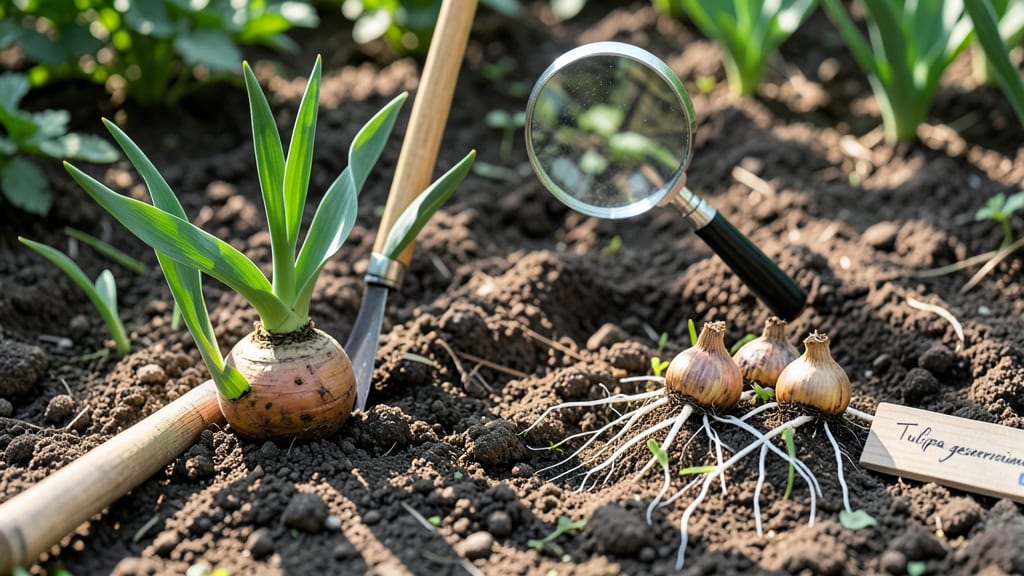
💥 Quick Answer Tulip bulbs do come back every year, but reliable regrowth depends on proper planting depth, soil conditions, and seasonal care—most varieties return for 3-5 years before declining without replanting or…
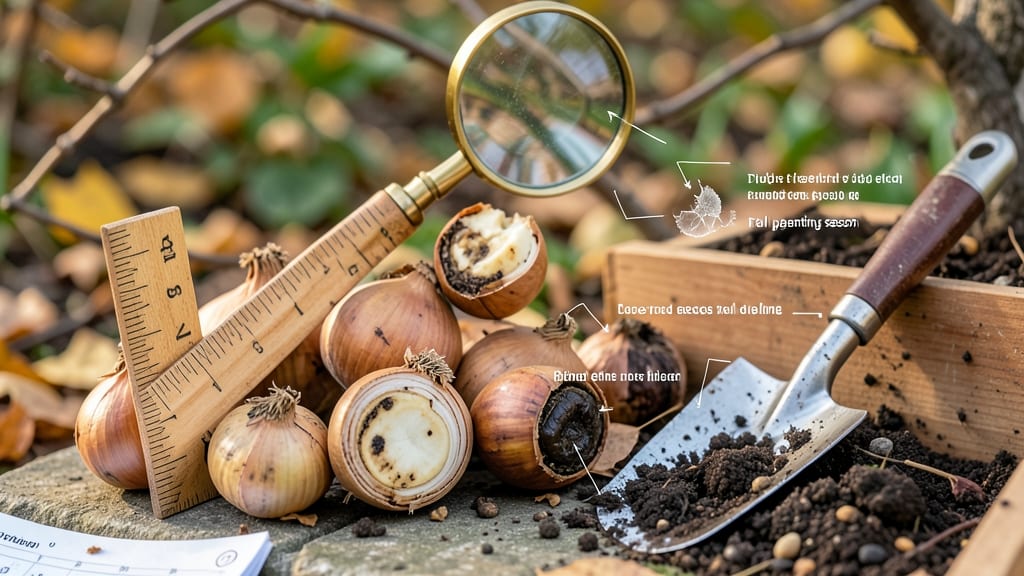
💥 Quick Answer Tulip bulbs do go bad over time, with most lasting 2-3 years when stored properly. Look for signs like soft, moldy, or shriveled bulbs, foul smells, or bulbs that refuse to sprout after planting. Keeping…
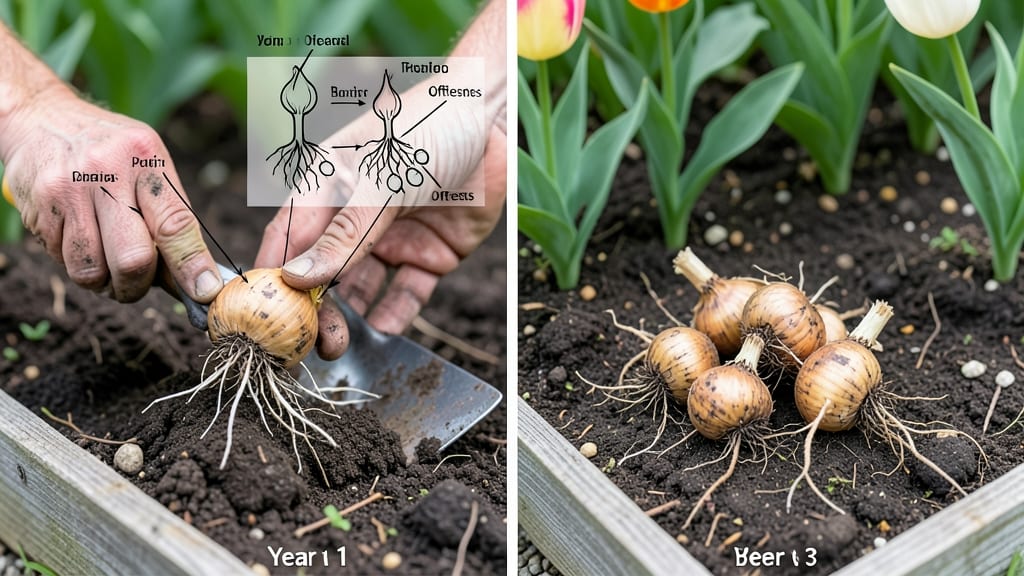
💥 Quick Answer Tulip bulbs multiply naturally in the ground through offsets—tiny bulblets that grow around the parent bulb each season, gradually maturing into independent flowering plants. This propagation process…
💥 Quick Answer Tulip bulbs do multiply over time, producing smaller daughter bulbs called offsets each growing season, though the frequency depends on the tulip type. Most common garden varieties generate 1-3 offsets…
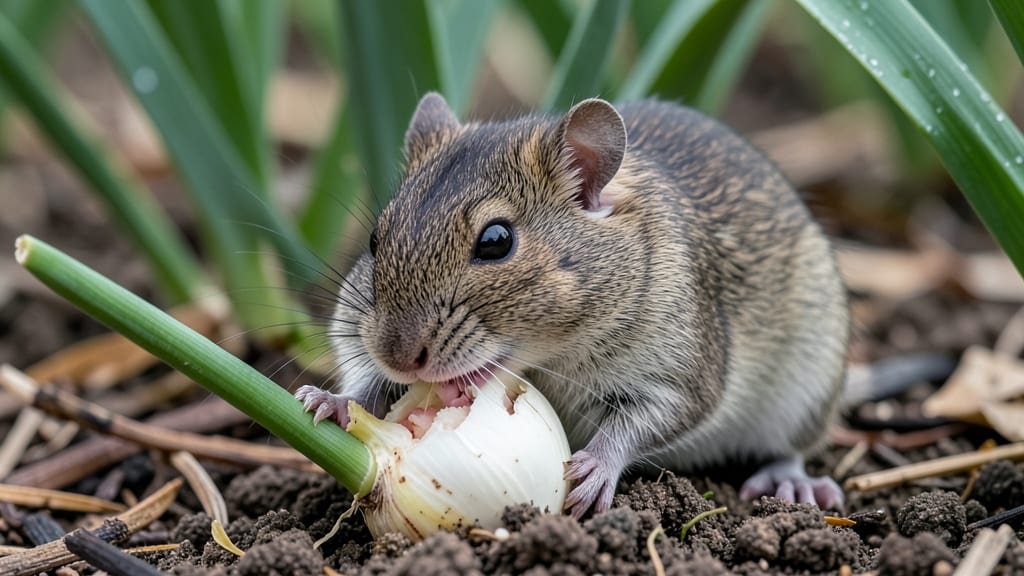
💥 Quick Answer Voles do eat daffodil bulbs, often targeting them in late winter or early spring when food is scarce. Their gnawing leaves jagged holes in bulbs, stunting or killing plants. Identify damage by checking…
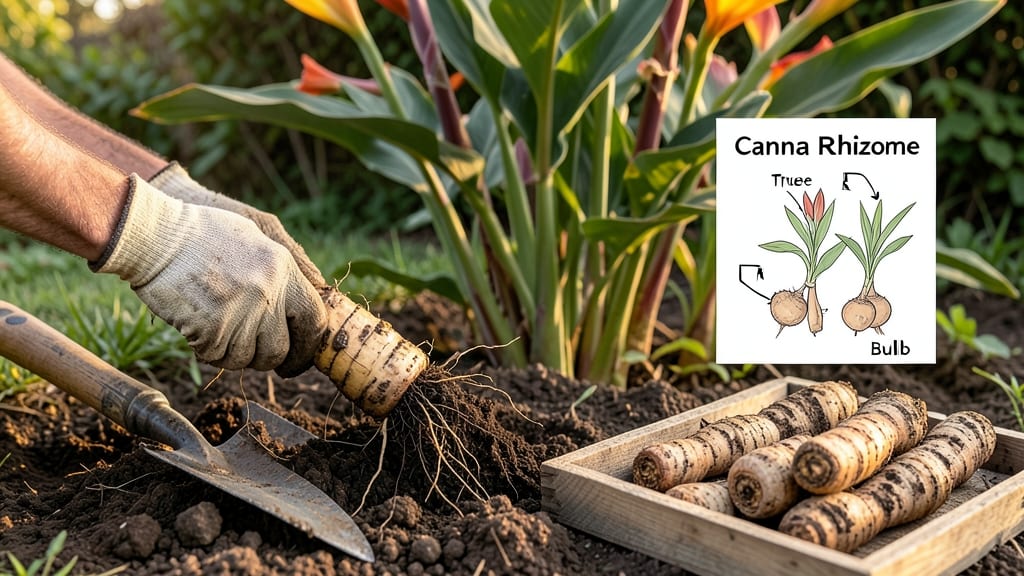
💥 Quick Answer You don’t have to dig up canna bulbs every year, but dividing them every 2–3 years prevents overcrowding, improves blooms, and reduces disease risk. Skip digging only in frost-prone climates where bulbs…
💥 Quick Answer Whether you have to dig up tulip bulbs depends entirely on your climate zone: in colder regions (USDA Zone 5 and below), they'll survive winter safely in the ground, while warmer areas (Zone 6+) typically…