I’ve always had a green thumb—whether it was sneaking seeds from my grandmother’s garden as a kid or struggling to keep a basil plant alive in my first apartment. Now, I’m here to share the lessons I’ve learned the hard way, from soil science to seasonal planting, so you can grow with confidence. My approach is simple: practical tips, real results, and a little bit of the joy that comes from watching something you’ve nurtured bloom.
💥 Quick Answer Yes, daffodil bulbs multiply naturally over time by producing offsets, with healthy clumps often doubling every 3-5 years if left undisturbed. Proper care—like avoiding overcrowding and…
💥 Quick Answer Dahlia bulbs multiply naturally each year through a process called tuberization, where a single parent bulb produces multiple smaller tubers when given optimal growing conditions, proper care, and…
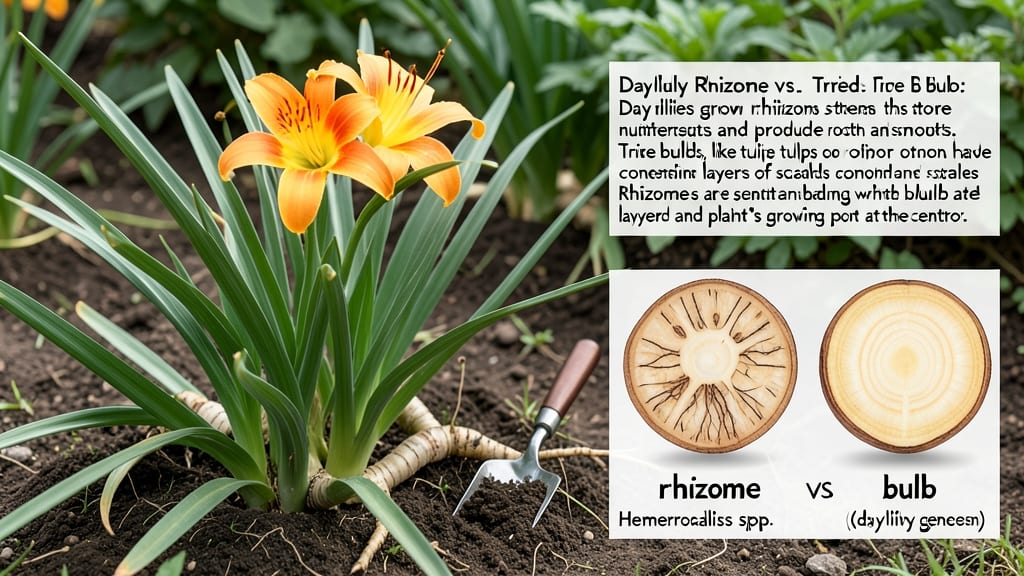
💥 Quick Answer Daylilies don't have bulbs—they grow from thick, creeping rhizomes that store nutrients underground, making them hardy perennials that return year after year without needing replanting. These horizontal…
💥 Quick Answer Gladiolus bulbs multiply naturally through offsets—tiny bulblets that grow from the base of mature corms. These new growths develop gradually, letting you expand your garden by dividing and replanting…
💥 Quick Answer Yes, hyacinth bulbs multiply over time by producing offsets—smaller bulbs that form around the parent bulb. With proper care, including well-draining soil and consistent moisture, these clusters expand…
💥 Quick Answer Yes, lily bulbs multiply over time by producing offsets—smaller bulbs that form around the parent bulb—but this process depends on proper planting depth (6 inches for most varieties), well-draining soil…
💥 Quick Answer Moles don't eat bulbs—they're actually after earthworms, grubs, and insects. Their tunneling, though, can sever bulb roots and leave your garden looking like a war zone, especially when planting onions…
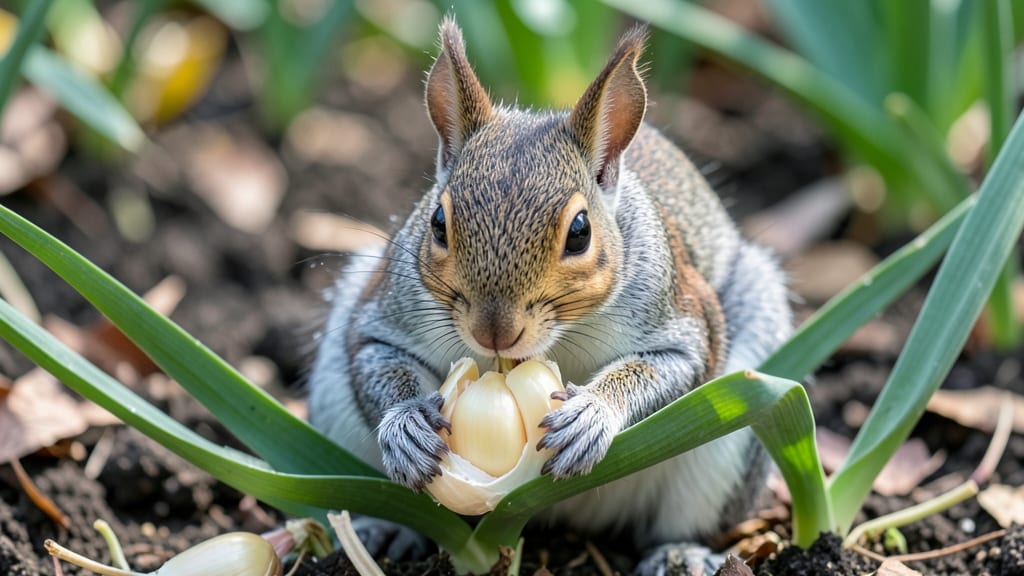
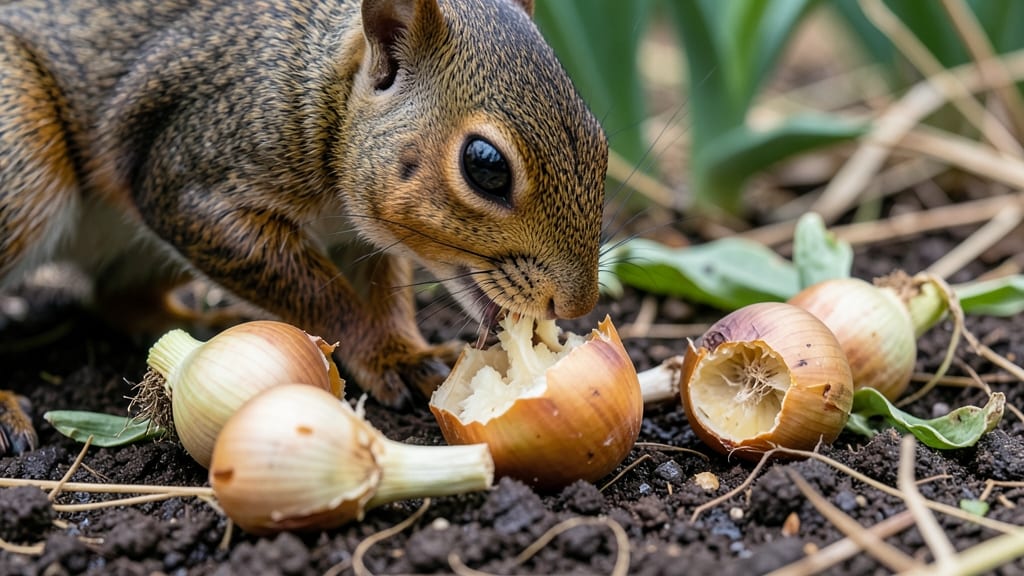
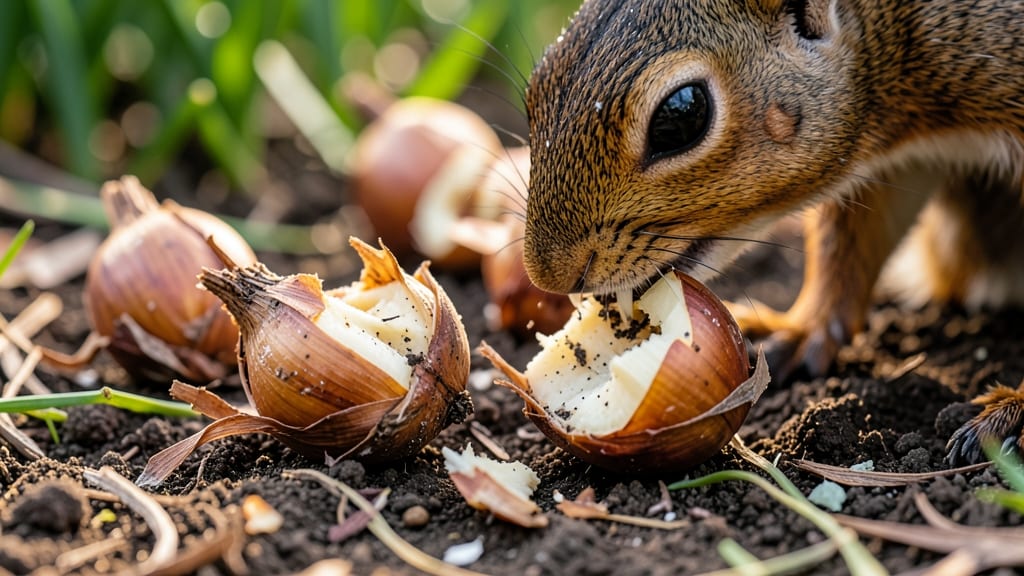
If you’ve ever planted allium bulbs—like onions, garlic, or chives—only to wake up to half-buried soil and missing bulbs, you’re not alone. 🔍 **Squirrels do eat allium bulbs , and they’re surprisingly skilled at digging…
💥 Quick Answer Squirrels do eat bulbs, especially tulips, daffodils, and crocus, often digging them up to consume the roots and discard the empty shells. Their foraging can devastate spring gardens and disrupt bulb…
💥 Quick Answer Squirrels do eat flower bulbs, especially tulips, daffodils, and hyacinths, because they contain high-energy carbohydrates. They dig up bulbs in fall and winter for food storage, often destroying entire…