I’ve always had a green thumb—whether it was sneaking seeds from my grandmother’s garden as a kid or struggling to keep a basil plant alive in my first apartment. Now, I’m here to share the lessons I’ve learned the hard way, from soil science to seasonal planting, so you can grow with confidence. My approach is simple: practical tips, real results, and a little bit of the joy that comes from watching something you’ve nurtured bloom.
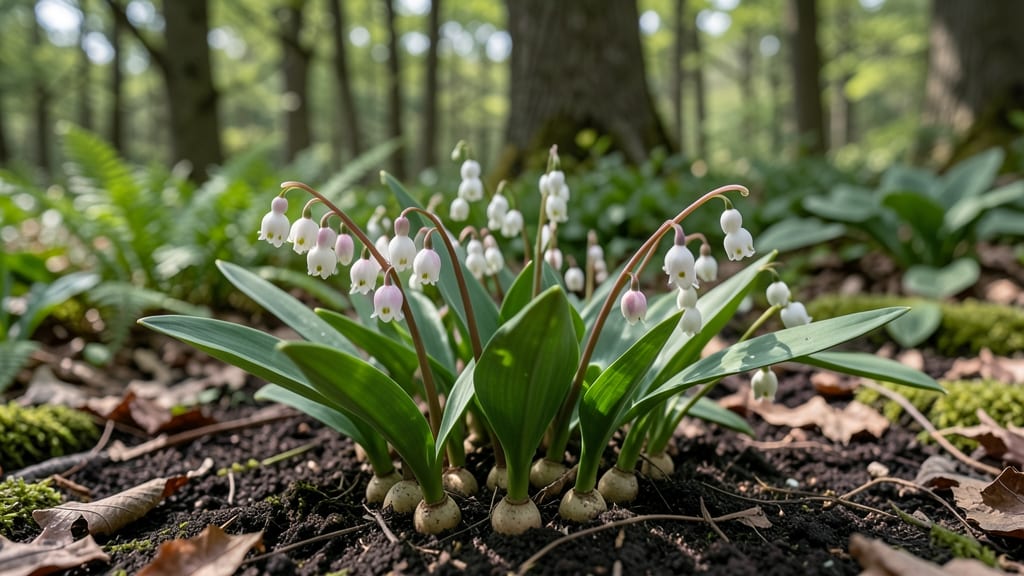
💥 Quick Answer Lily of the valley bulbs look like small, flat, oval-shaped rhizomes rather than true bulbs, with scaly, brownish skin and a creeping growth habit. Their above-ground leaves appear as long, narrow…
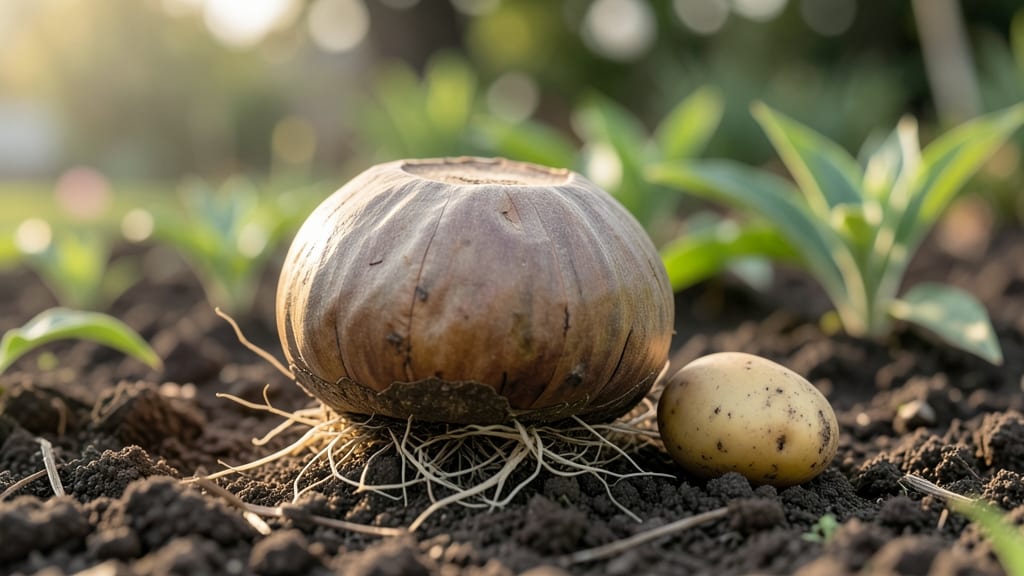
💥 Quick Answer Peony bulbs look like large, gnarled, woody knots with a rough, bark-like exterior and multiple eyes or buds clustered around the crown. They grow 3–6 inches wide, often resembling a swollen, irregular…
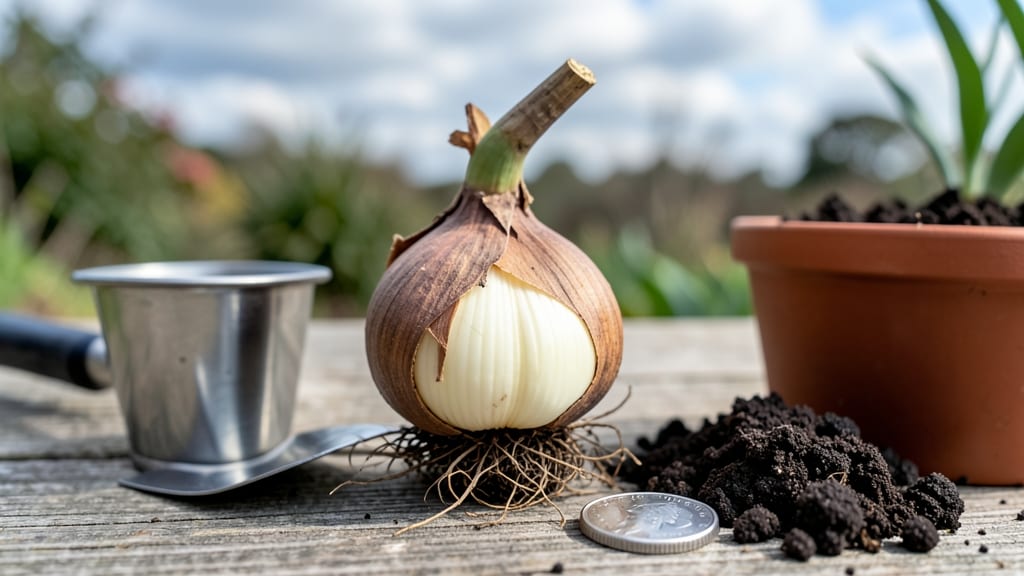
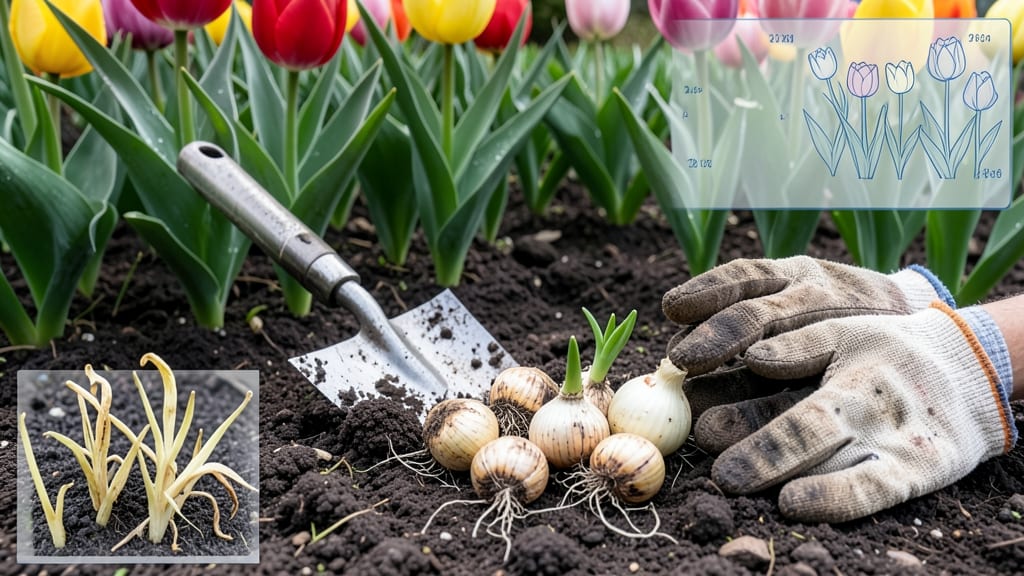
💥 Quick Answer Tulip bulbs look like rounded, papery-skinned onions about 2 to 3 inches in diameter, with a flat base and a single pointed shoot. Their outer layers are brownish-gray, while the inner scales are cream or…
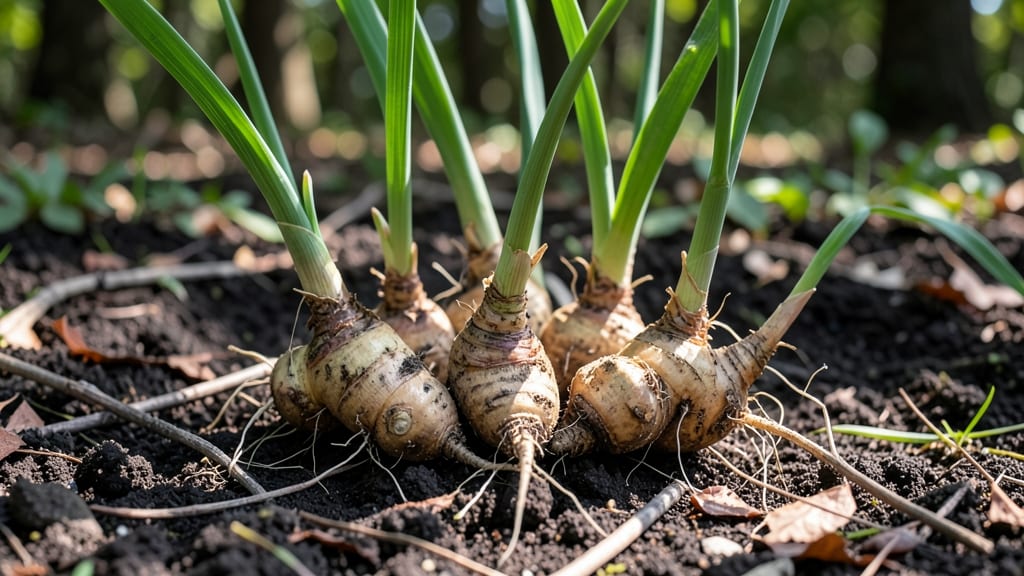
Iris bulbs aren't bulbs at all—they're fleshy, horizontal rhizomes that look nothing like tulip bulbs. 🌱 These thick, finger-like roots grow just below the soil surface, often with a slight upward curve and a rough…
💥 Quick Answer When what happens if you plant bulbs too late , flowering is delayed, root growth weakens, and survival rates drop—especially in colder climates—though hardy types like tulips or daffodils might still…
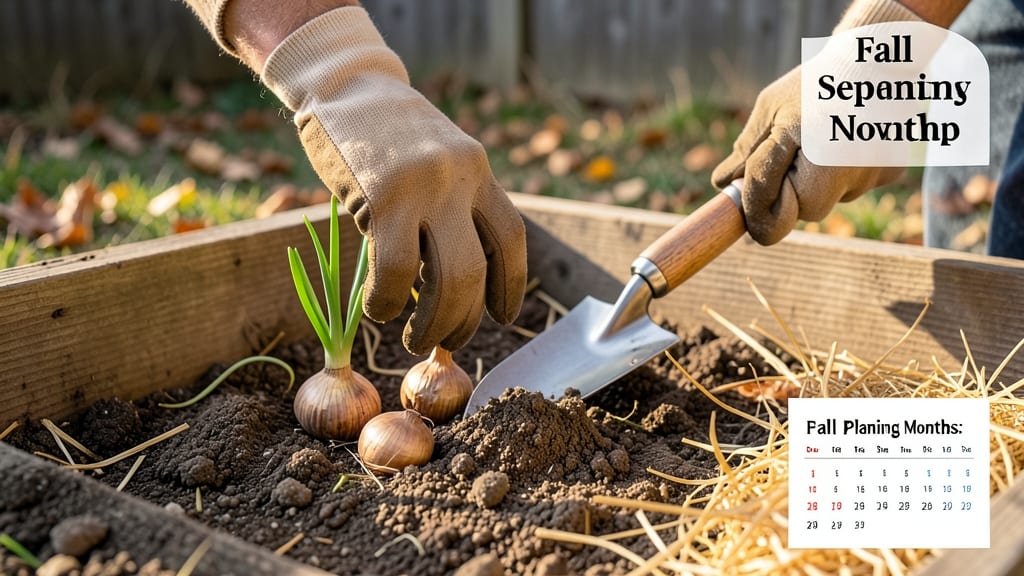
Planting tulip bulbs in the right month ensures those vibrant spring blooms you love — but miss the window, and you’ll end up with flops instead of flowers. You’ve probably heard that fall is the time to plant, but…
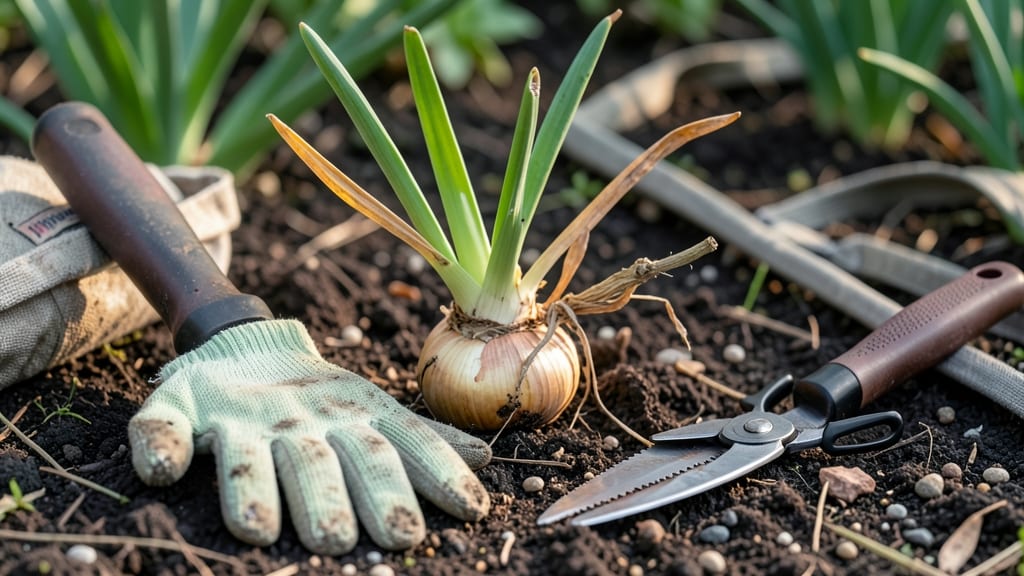
After your hyacinths throw their fragrant purple showstopper blooms, don’t dig them up yet—this is where most gardeners mess up. ✨ The secret to next year’s even bigger display lies in letting those yellowing leaves feed…
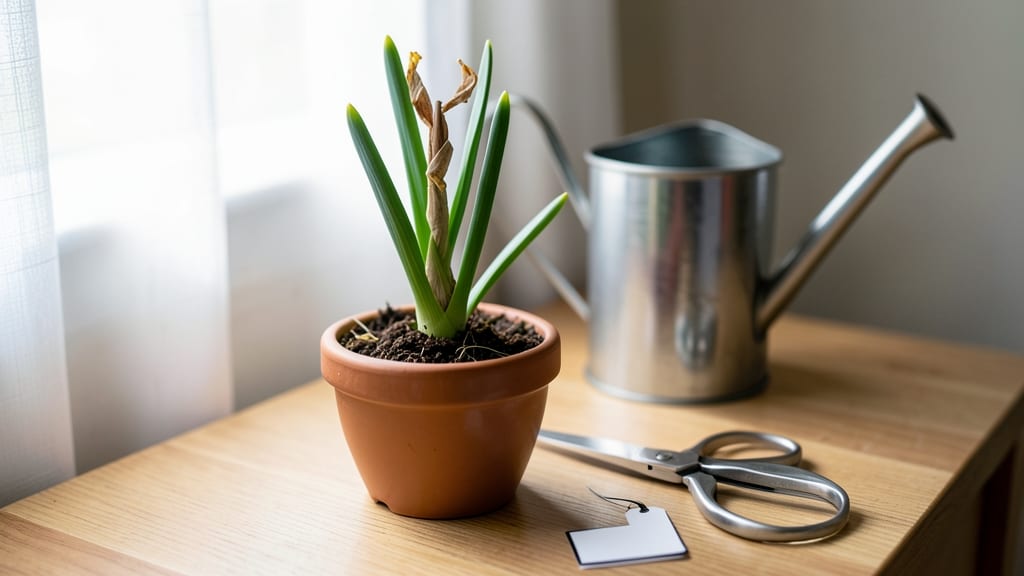
💥 Quick Answer What to do with indoor hyacinth bulbs after flowering is simple: trim the faded stems at the base, let the foliage die back naturally, then place them in a sunny spot for 6-8 weeks to dry completely…
You can dig up daffodil bulbs to transplant about 4-6 weeks after their foliage dies back —when the leaves turn brown and crispy but no new growth appears. Timing is everything when transplanting daffodils—dig too early…
You can plant bulbs in the spring as soon as the soil warms to 50°F and the last frost has passed—typically mid-April in most of the U.S., but timing shifts dramatically by zone. Spring’s arrival brings hope—and…